






By using this site, you agree to the Privacy Policy and Terms of Use.
Accept
Times ReportersTimes Reporters
  • Home
  • News
  • Politics
  • Business
    • Economy
  • Sports
  • Entertainment
  • About Us
  • Bookmarks
Search
  • Home
  • About Us
  • Advertise
  • Join Us
  • Terms of Use
  • Privacy Policy
© 2024 Times Reporters | All Rights Reserved.
Reading: Dangote Refinery Ends Nigeria’s Era of Fuel Import Dependence, Boosts GDP, FX Earnings — EIU
Share
Sign In
Notification Show More
Latest News
Lagos Summit to Unlock Multi-Billion Naira Opportunities in Nigeria’s Ceramic Industry
Business Media Metro News
Dangote Refinery Ends Nigeria’s Era of Fuel Import Dependence, Boosts GDP, FX Earnings — EIU
Business Economy Infrastructure News Oil & Gas
NSE partners Federation of Consulting Engineers on large-scale infrastructure delivery
Business Infrastructure Labour Metro News
NCAA Suspends ‘No Pay, No Service’ Sanctions Over Airlines’ Debts Amid Jet Fuel Crisis
Aviation Business Infrastructure Metro News Transportation Travel/Leisure
Troops Thwart IED Ambush, Rescue Victims of Abduction
Defence Insecurity Metro News
Aa
Times ReportersTimes Reporters
Aa
  • Home
  • News
  • Politics
  • Business
  • Sports
  • Entertainment
  • About Us
Search
  • Home
  • News
  • Politics
  • Business
  • Sports
  • Entertainment
  • About Us
Have an existing account? Sign In
Follow US
  • Home
  • About Us
  • Advertise
  • Join Us
  • Terms of Use
  • Privacy Policy
© 2024 Times Reporters | All Rights Reserved.
Times Reporters > Business > Economy > Dangote Refinery Ends Nigeria’s Era of Fuel Import Dependence, Boosts GDP, FX Earnings — EIU
BusinessEconomyInfrastructureNewsOil & Gas

Dangote Refinery Ends Nigeria’s Era of Fuel Import Dependence, Boosts GDP, FX Earnings — EIU

Publisher
By Publisher Published May 26, 2026
Share
5 Min Read
SHARE

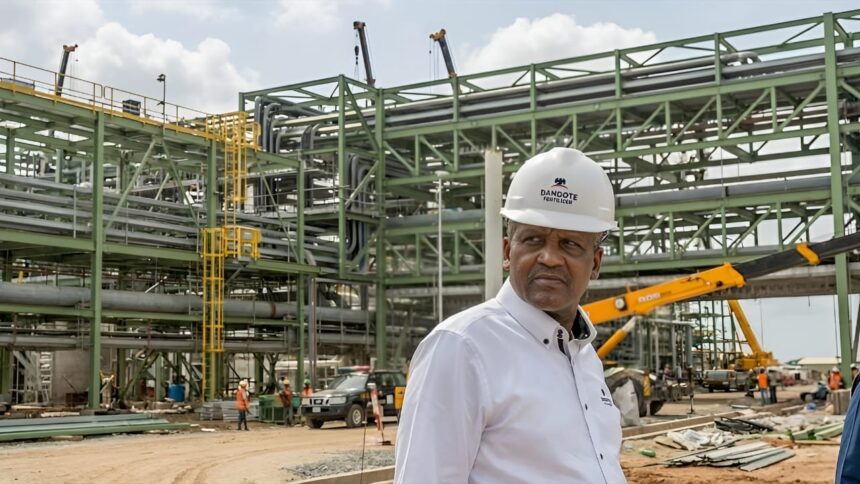
The operational ramp up of the 650,000 barrels per day Dangote Petroleum Refinery & Petrochemicals is fundamentally reshaping Nigeria’s downstream oil sector, significantly reducing the country’s dependence on imported refined petroleum products and strengthening its external position, according to the Economist Intelligence Unit (EIU).
In its latest assessment on Nigeria’s fuel market and regulatory environment, the EIU said the refinery has already transformed a sector that was previously characterised by heavy reliance on imported fuel despite Nigeria being Africa’s largest crude oil producer. The report noted that the refinery met nearly 80 per cent of domestic petrol demand in April and produced enough volumes to satisfy local consumption requirements as operations approached full capacity.
The EIU described Nigeria’s downstream petroleum sector before the refinery as “long dysfunctional”, noting that the country had remained almost entirely dependent on costly imported fuel while producing nearly 1.5 million barrels of crude oil daily.
According to the report, the emergence of the refinery has reduced import dependence, improved domestic fuel availability and strengthened Nigeria’s balance of payments position through lower import demand and rising exports of refined petroleum products.
“The gradual ramp up of the 650,000 barrel/day Dangote refinery since May 2023 has transformed Nigeria’s long dysfunctional downstream sector,” the report stated. “The country’s main refineries, all state owned, had been inoperative for years and Nigeria was almost entirely reliant on costly imported fuel.”
The research and analysis division of The Economist Group, London added that the refinery’s attainment of full operational capacity and its planned expansion would further support Nigeria’s economic growth and foreign exchange earnings over the medium term.
“Meanwhile, the attainment of full capacity at, and an increase in exports from, the Dangote refinery will support real GDP growth and foreign exchange earnings in 2026 and 2027 and beyond, as a planned doubling of the plant’s output comes on stream around the end of the decade,” it added.
Industry analysts said the refinery is increasingly positioning Nigeria as an emerging refining and export hub, altering energy trade flows across Africa and reducing the vulnerability associated with fuel import dependence.
The EIU noted that the refinery’s expansion has coincided with major reforms in Nigeria’s downstream sector, including the removal of fuel subsidies and the introduction of market driven pricing mechanisms.
The report, however, said the transition from a state dominated fuel import structure to large scale domestic refining has triggered resistance from interests linked to the old import regime.
The latest tensions emerged following the decision by the Nigerian Midstream and Downstream Petroleum Regulatory Authority to relax restrictions on petrol imports despite the refinery’s growing capacity to meet domestic demand.
Dangote Industries subsequently initiated legal action, arguing that continued import approvals undermine domestic refining investments and conflict with the objectives of the Petroleum Industry Act, which seeks to encourage local refining capacity and reduce import dependence.
Analysts noted that the availability of large-scale domestic refining capacity has improved Nigeria’s energy security and reduced exposure to external supply shocks and foreign exchange volatility.
The Centre for the Promotion of Private Enterprise also cautioned against unrestrained importation of petroleum products, warning that such a policy could weaken Nigeria’s industrialisation drive and discourage investments in domestic refining.
Chief Executive Officer of CPPE, Muda Yusuf, said continued dependence on imported fuel had historically contributed to pressure on foreign reserves, exchange rate instability and fiscal leakages.
The refinery’s growing impact is also being reflected in Nigeria’s broader macroeconomic indicators. Earlier this month, S&P Global Ratings cited increased domestic refining capacity and rising hydrocarbon exports among the major factors supporting Nigeria’s sovereign credit rating upgrade – the first in 14 years.
Beyond Nigeria, analysts said the refinery is increasingly being viewed as a strategic industrial asset for Africa, where many countries remain heavily dependent on imported fuel despite rising demand for transportation, manufacturing, and power generation.

Like this:

Like Loading…

Related

You Might Also Like

Lagos Summit to Unlock Multi-Billion Naira Opportunities in Nigeria’s Ceramic Industry

NSE partners Federation of Consulting Engineers on large-scale infrastructure delivery

NCAA Suspends ‘No Pay, No Service’ Sanctions Over Airlines’ Debts Amid Jet Fuel Crisis

Troops Thwart IED Ambush, Rescue Victims of Abduction

Ex-CNS Gambo: Strength of Fighting Force Is Built on Fitness, Institutional Cohesion

TAGGED: Dangote Refinery

Sign Up For Daily Newsletter

Be keep up! Get the latest breaking news delivered straight to your inbox.

By signing up, you agree to our Terms of Use and acknowledge the data practices in our Privacy Policy. You may unsubscribe at any time.
Publisher May 26, 2026
Share this Article
Facebook Twitter Whatsapp Whatsapp LinkedIn Telegram Email Copy Link Print
Share
Previous Article NSE partners Federation of Consulting Engineers on large-scale infrastructure delivery
Next Article Lagos Summit to Unlock Multi-Billion Naira Opportunities in Nigeria’s Ceramic Industry
Leave a comment Leave a comment

Leave a Reply Cancel reply

Your email address will not be published. Required fields are marked *

This site uses Akismet to reduce spam. Learn how your comment data is processed.

Stay Connected

Facebook Like
Twitter Follow
Instagram Follow
Youtube Subscribe
Telegram Follow
- Advertisement -
Ad image

– Member of –

Latest News

Lagos Summit to Unlock Multi-Billion Naira Opportunities in Nigeria’s Ceramic Industry
Business Media Metro News May 26, 2026
Dangote Refinery Ends Nigeria’s Era of Fuel Import Dependence, Boosts GDP, FX Earnings — EIU
Business Economy Infrastructure News Oil & Gas May 26, 2026
NSE partners Federation of Consulting Engineers on large-scale infrastructure delivery
Business Infrastructure Labour Metro News May 25, 2026
NCAA Suspends ‘No Pay, No Service’ Sanctions Over Airlines’ Debts Amid Jet Fuel Crisis
Aviation Business Infrastructure Metro News Transportation Travel/Leisure May 25, 2026

You Might also Like

BusinessMediaMetroNews

Lagos Summit to Unlock Multi-Billion Naira Opportunities in Nigeria’s Ceramic Industry

May 26, 2026
BusinessInfrastructureLabourMetroNews

NSE partners Federation of Consulting Engineers on large-scale infrastructure delivery

May 25, 2026
AviationBusinessInfrastructureMetroNewsTransportationTravel/Leisure

NCAA Suspends ‘No Pay, No Service’ Sanctions Over Airlines’ Debts Amid Jet Fuel Crisis

May 25, 2026
DefenceInsecurityMetroNews

Troops Thwart IED Ambush, Rescue Victims of Abduction

May 25, 2026
Times ReportersTimes Reporters
Follow US

© 2024 Times Reporters | Deigned by AuspiceWeb Graphics. All Rights Reserved.

  • Home
  • About Us
  • Advertise
  • Join Us
  • Terms of Use
  • Privacy Policy
Join Us!

Subscribe to our newsletter and never miss our latest news!

Zero spam, Unsubscribe at any time.

Removed from reading list

Undo
Welcome Back!

Sign in to your account

Lost your password?
%d