







By Leonard Okachie
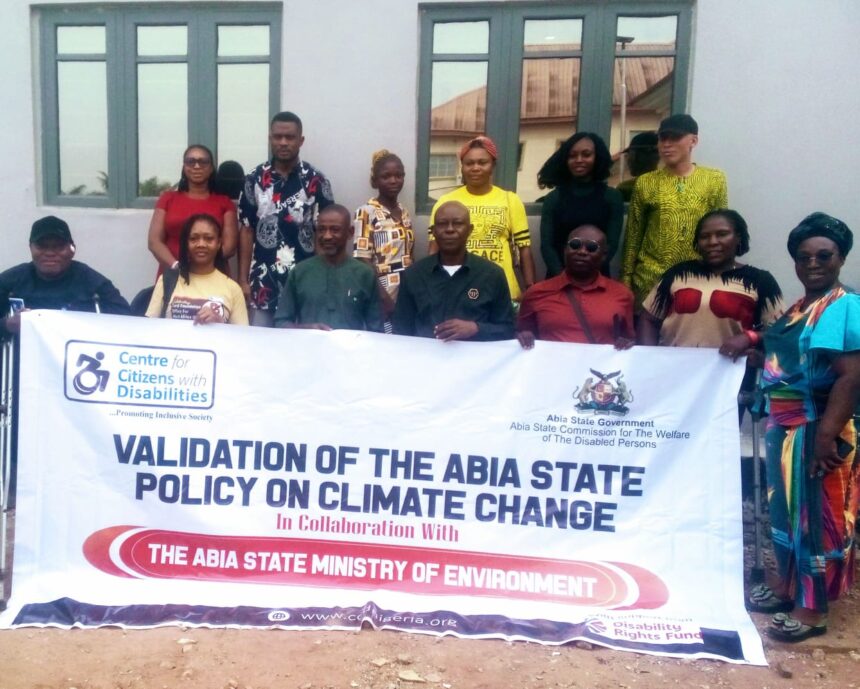
The Abia government has validated its climate change policy, emphasising disability inclusion, during a stakeholders’ engagement organised by the Ministry of Environment.
The final review involved MDAs, local government climate desk officers, chambers of commerce, disability clusters, farmers, women groups and other stakeholders.
- Advertisement -

The News Agency of Nigeria reports that the draft policy was presented by a technical team from the Partnership for Agile Governance and Climate Engagements.
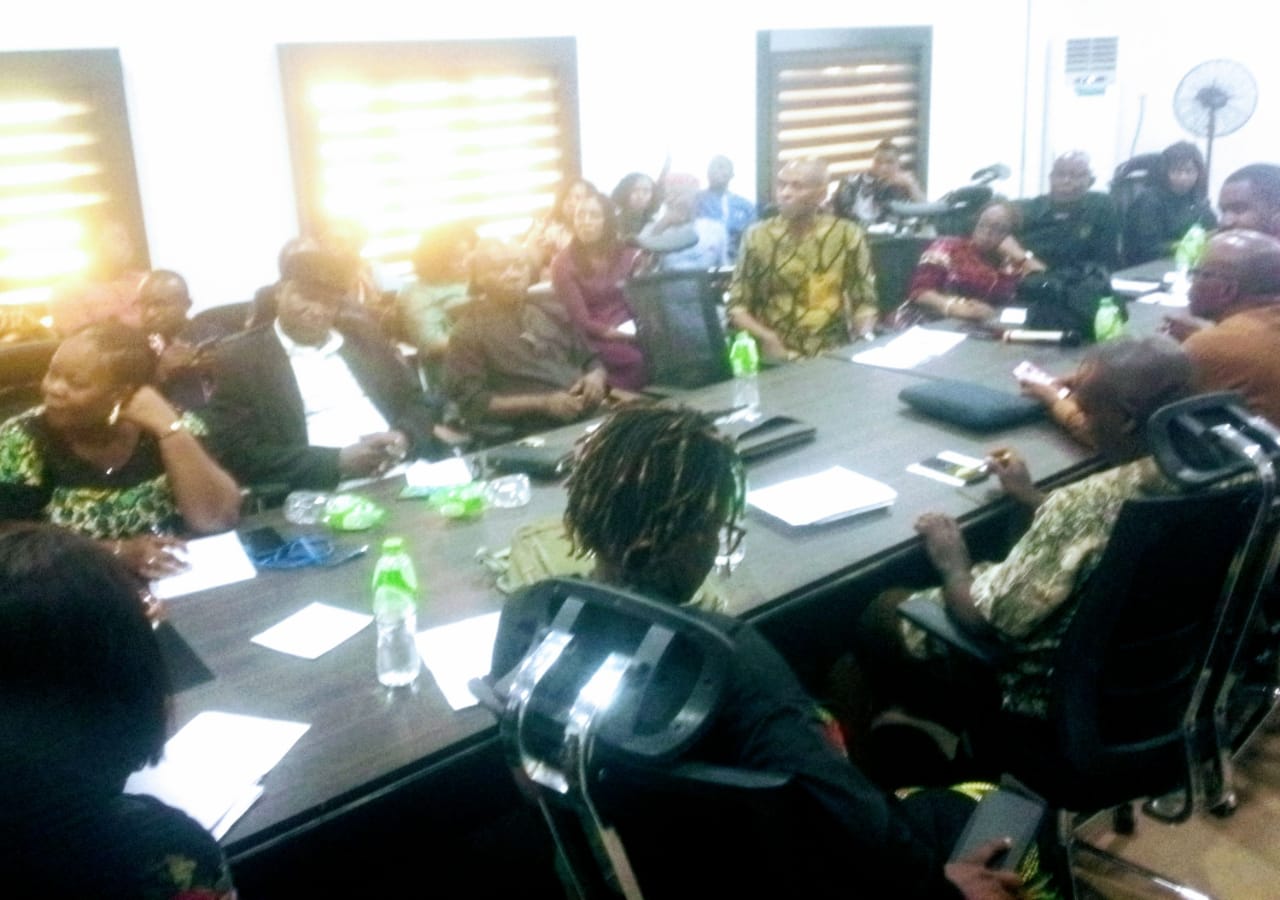
The Commissioner for Environment, Mr Philemon Ogbonna, said consultations since 2024 aimed to produce a climate policy meeting international standards.
Represented by Permanent Secretary Mr Ikechukwu Oriuwa, Ogbonna said the policy aligned with Gov. Alex Otti’s commitment to sustainable environmental initiatives.
The Commissioner for Budget and Planning, Mr Kingsley Anosike, said a strong climate policy was essential for driving effective climate action implementation.
“Our budget is green, with climate-related activities captured across sectors.
“Our new buildings are climate-friendly, and over 9,000 street lights installed so far run on solar energy.
“There is much we can do to slow ozone depletion, even if we cannot completely stop it,” Anosike said.
The Chairman, Abia Disability Commission, Mr David Anyaele, said participation aimed to ensure disability inclusion in the final policy.
“People with disabilities are among the most vulnerable during flooding, erosion and heat waves.
“We want the final document to reflect the governor’s directive that all policies must be disability-inclusive,” he said.
The Acting Executive Director of CCD, Mr Godwin Unumeri, commended the ministry for developing an inclusive policy reflecting stakeholders’ concerns.
Unumeri said CCD began related research in 2024 on disability-inclusive climate adaptation and mitigation strategies in Abia.
“The policy development started around the same time as our research.
“We have consistently made inputs, and the ministry has shown willingness to capture all groups’ needs,” he said.
On PwDs’ participation, Unumeri said: “We needed them present to listen and advise us on inputs to forward to the ministry.”
(NAN)