







Ekuson Nw’Ogbunka, Abuja
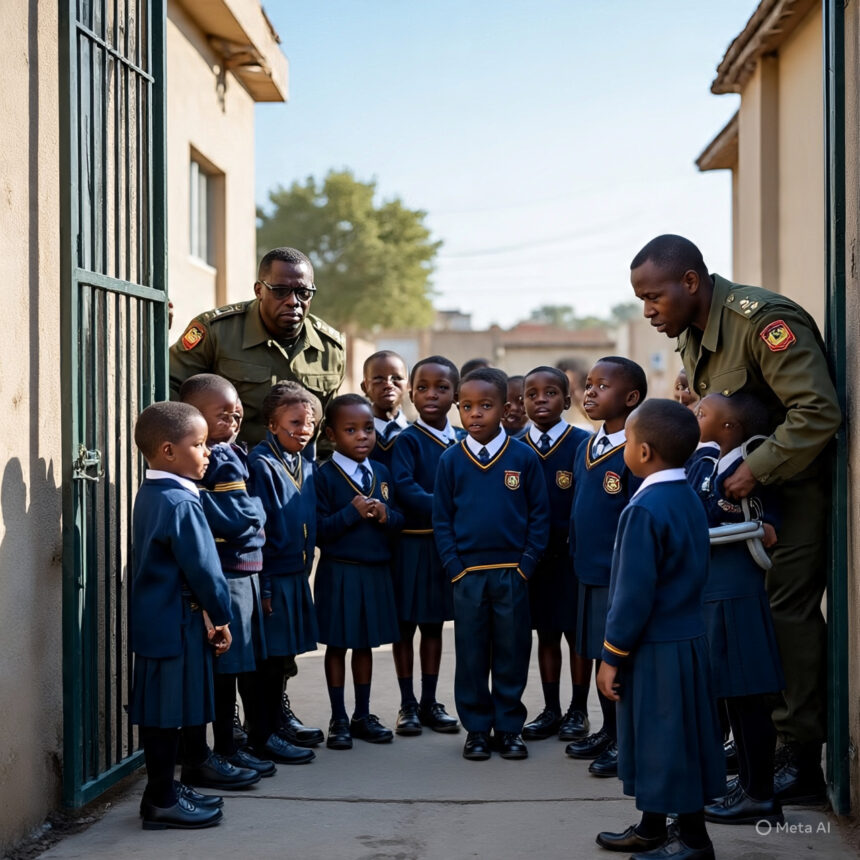
Amasiri community is in distress as children are reportedly unable to sit for the common entrance examination due to the prolonged closure of schools on the orders of Ebonyi governor, Francis Nwifuru, according to a press statement from Joy Idam, a concerned indigene of the community over the week. The development has left pupils, parents, and teachers in a difficult situation.
The examination, which represents a critical stepping stone to secondary education, has been inaccessible to many due to security concerns and restrictions imposed in the community. Parents are worried that months of interrupted learning have taken a toll on their children’s academic preparation.
- Advertisement -

“For many families, this is a heartbreaking setback,” said a parent. “I have watched my child study at home every day, hoping the schools would reopen. Now the exam is here, and they cannot even write it. What happens to their future?”
Education advocates argue that while security considerations are important, prolonged school closures carry long-term social consequences, particularly for vulnerable children. Nigeria’s Child Rights Act guarantees every child the right to free, compulsory, and universal basic education.
The law reflects Nigeria’s obligations under international conventions, including the United Nations Convention on the Rights of the Child. Legal experts note that governments may impose temporary restrictions, but must not permanently deny children access to basic education.
Community stakeholders are appealing to Governor Nwifuru to urgently review the situation and provide a pathway for pupils to safely sit for their examinations. The issue goes beyond policy debates – it’s about dreams deferred for the children of Amasiri.