






By Toby Chuks
As Nigerians grapple with deepening insecurity, corruption, and economic hardship—manifesting in poverty, hunger, unemployment, ill health, and erratic power supply—a group of activists in Onitsha has called for a shift in approach to national challenges, urging citizens to prioritise spiritual knowledge over political influence.
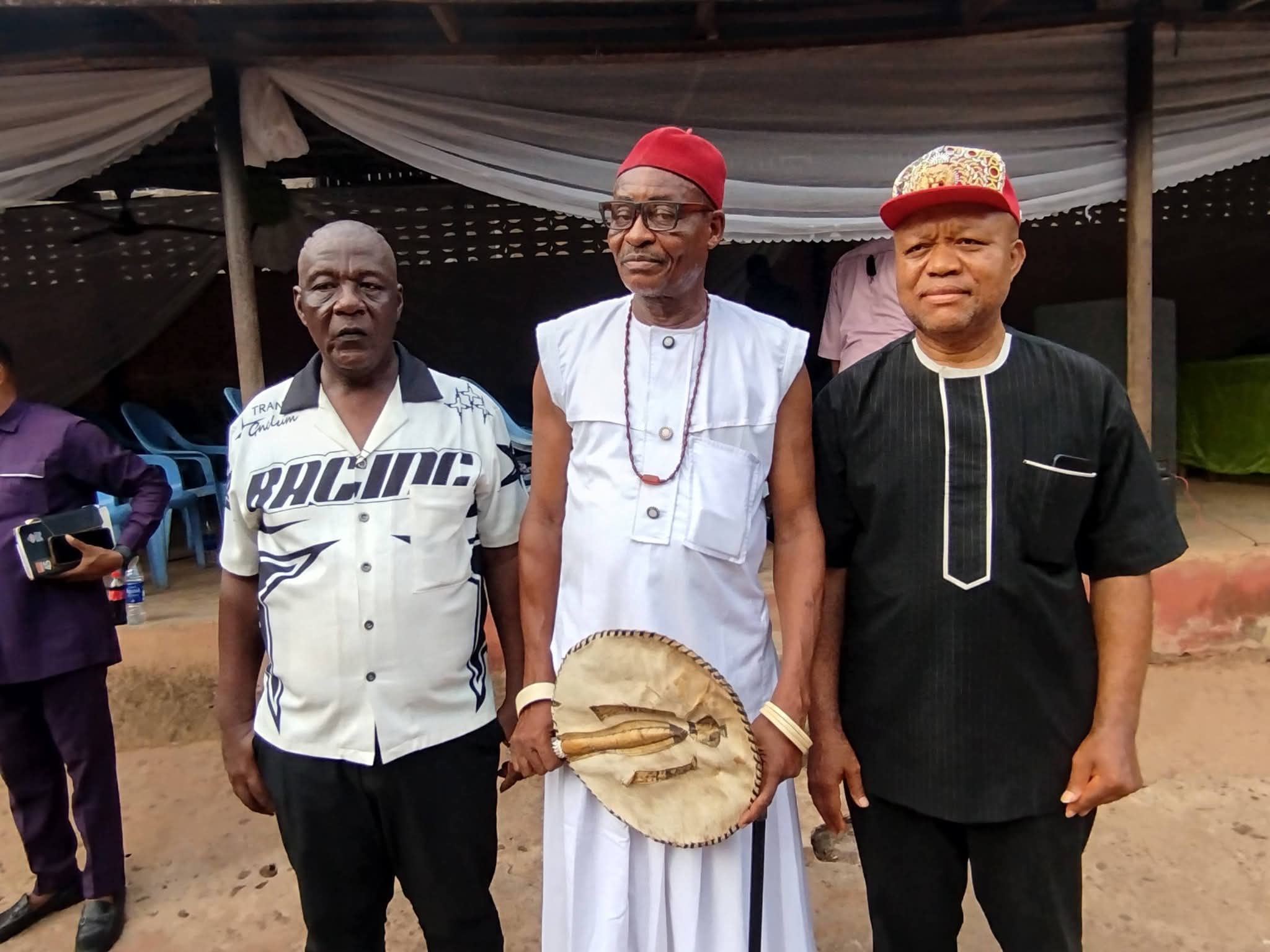
The group, led by journalist and author Theo Rays Ejikeme, made the appeal as the country begins preparations for the 2027 general elections.
According to them, understanding the spiritual dimensions of life is critical to addressing both personal and national challenges, stressing that spiritual knowledge of God remains the foundation for lasting solutions and true greatness, ahead of political considerations.
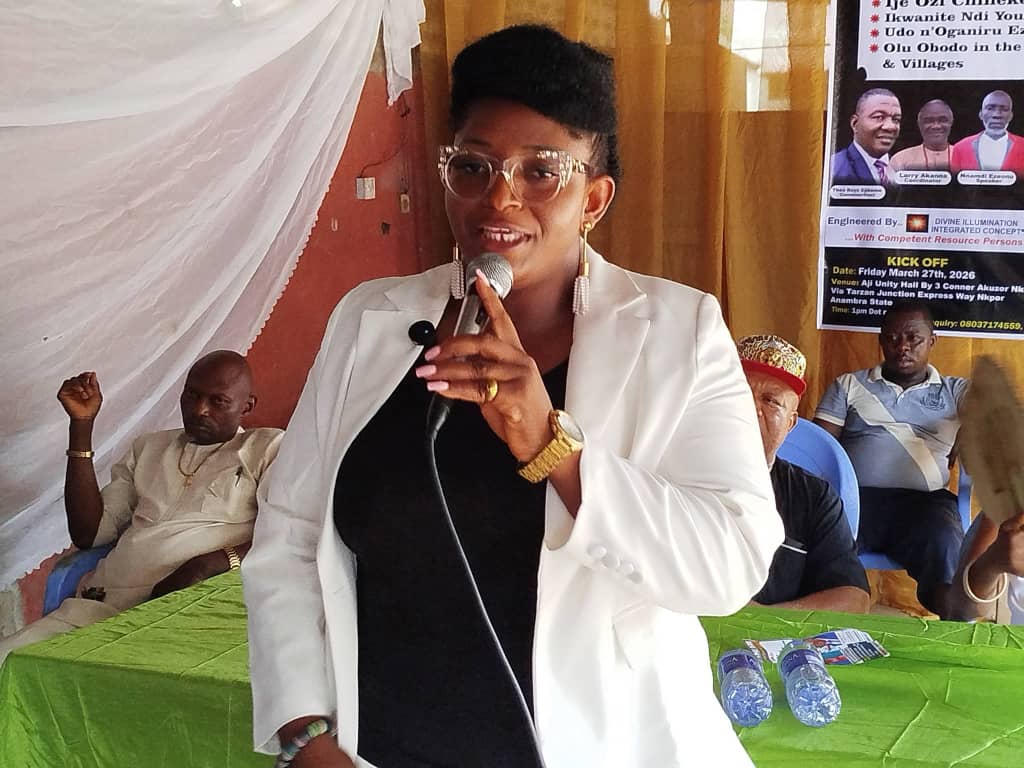
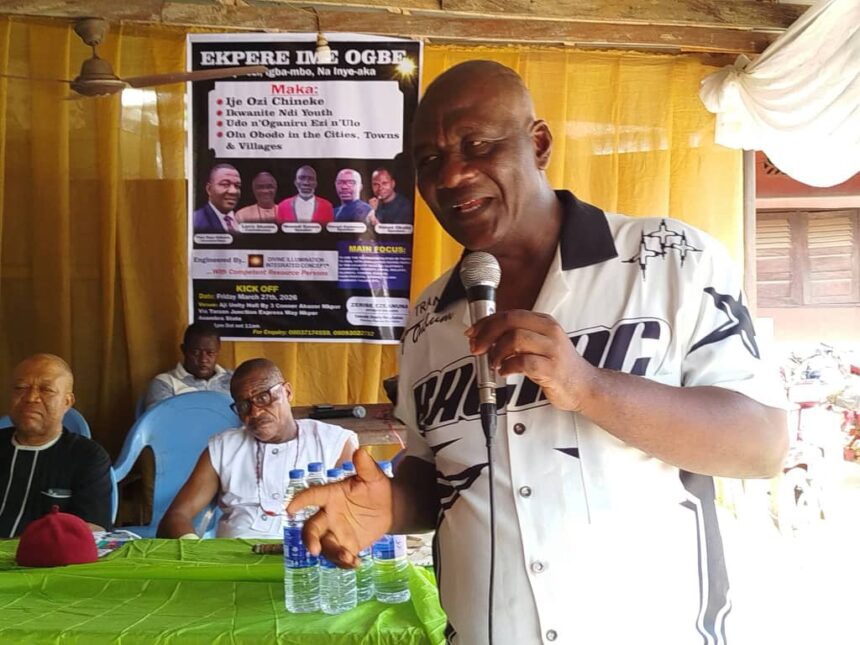
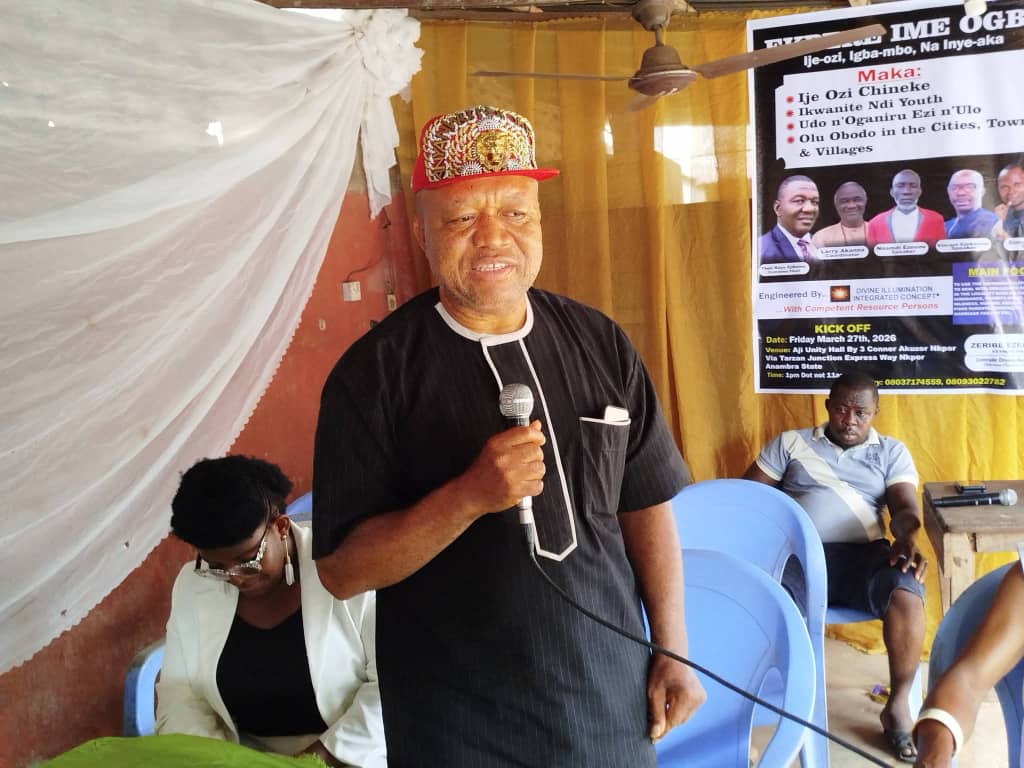
The activists—comprising professionals, intellectuals, business leaders, clergy, traditionalists, and community figures—spoke during the launch of a universal community programme, Ekpere Ime Ogbe (Neutral Prayer Vibe), organised by Divine Illumination Integrated Concept in Onitsha.
- Advertisement -

They argued that Nigeria’s challenges stem largely from an overemphasis on political influence without adequate mechanisms to address its negative tendencies such as greed, selfishness, violence, dishonesty, betrayal, and wastefulness.
They maintained that spiritual knowledge is essential to countering these flaws.
Speaking on behalf of the group, Ejikeme explained that the initiative aims to draw divine attention toward empowering citizens with spiritual influence capable of inspiring quality public service across all sectors.
He noted that Nigerians continue to suffer from insecurity, corruption, poverty, unemployment, hunger, poor healthcare, and inadequate education largely because citizens—across religious, political, and professional spheres—are unable to deliver effective service due to an overwhelming focus on political power.
The Onitsha-based activist, who is also the CEO of Divine Illumination Integrated Concept and convener of Ekpere Ime Ogbe, reiterated that political influence is often accompanied by negative traits that must be addressed before good governance can thrive.
He insisted that lasting solutions to Nigeria’s problems lie in introducing spiritual influence as a balancing force to check the excesses of political power.
Ejikeme lamented that despite nearly 70 years of nationhood, Nigeria’s living conditions continue to deteriorate due to poor service delivery driven by an excessive focus on politics.
He questioned whether Nigerians are victims of circumstance or contributors to their predicament, noting that despite abundant resources, the country has failed to harness its potential effectively.
He further argued that life is a combination of multiple elements—beginning with spiritual influence and extending to science, technology, agriculture, sports, and politics—stressing that prioritising politics without addressing its inherent flaws has proven counterproductive.
According to him, political processes are often marred by dishonesty, inefficiency, and waste, making it dangerous to elevate them above spiritual values.
Emphasising his point, Ejikeme said placing political influence above spiritual development is fundamentally flawed, as true progress begins with spiritual consciousness that nurtures discipline, integrity, creativity, and truthfulness—qualities necessary for success in all other fields, including governance.
While insisting that spiritual influence must take precedence, he described Ekpere Ime Ogbe as a strategic outreach aimed at engaging leaders—both political and religious—as well as the general public, to embrace spiritual development.
He said the goal is to cultivate better character, promote truth and love, and encourage productive actions that can transform Nigeria’s condition.
In a keynote address, businessman and community leader Zeribe Ezeanuna expressed concern over growing fatigue among advocates of a better Nigeria, attributing it to persistent ideological conflicts.
He noted that progressive nations do not thrive on division, lamenting that Nigeria has remained fractured along ethnic and religious lines since its inception. He urged Ndigbo to embrace new ideas such as Ekpere Ime Ogbe to strengthen their longstanding values of hard work and innovation.
Also speaking, High Chief Godwin Onwukwe, a first-class traditional leader from Nkpor, described the initiative as divinely inspired and timely, given the nation’s current challenges. He called on Ndigbo to take responsibility for their future by investing in their communities and seeking divine guidance, while expressing hope that the vision behind the programme would succeed.
On his part, Rev. Nnamdi Ezeonu offered prayers for the release of the detained leader of the Indigenous People of Biafra, Mazi Nnamdi Kanu, arguing that his leadership is needed to address pressing challenges facing the Igbo people. Similarly, Pastor Simon Okafor and Evangelist Emmanuel Amechi prayed for increased wisdom among religious and political leaders, urging broader support for the vision of Ekpere Ime Ogbe.
Meanwhile, the Anambra State Chairman of the Civil Liberties Organisation (CLO), Comrade Vincent Ezechukwu, encouraged citizens to actively participate in the electoral process, stressing that civic engagement remains essential, as “evil thrives when good people do nothing.”
The event also featured the presentation of awards to notable entrepreneurs, including Rt. Hon. Chinedu Romanus Eze (Yagazie), a businessman and Southeast Zonal Youth Leader of the All Progressives Grand Alliance (APGA); Lady Chioma Ifeanyichukwu, CEO of His Presence Reality & Strong Africa Foundation; and Mr. Fidelis Eze, President of Easy Way Group. In their remarks, the awardees urged young people to maximise their potential, emphasising vision, courage, and faith as critical ingredients for success.