






The Association of Corporate Online Editors (ACOE) has called for stronger collaboration among the Independent National Electoral Commission (INEC), political parties, security agencies and the media to combat misinformation and safeguard the credibility of the 2027 general elections.
The association warned that the growing spread of fake news, manipulated digital content, deepfakes and inflammatory political narratives could undermine public confidence in the electoral process, trigger violence and threaten democratic stability.
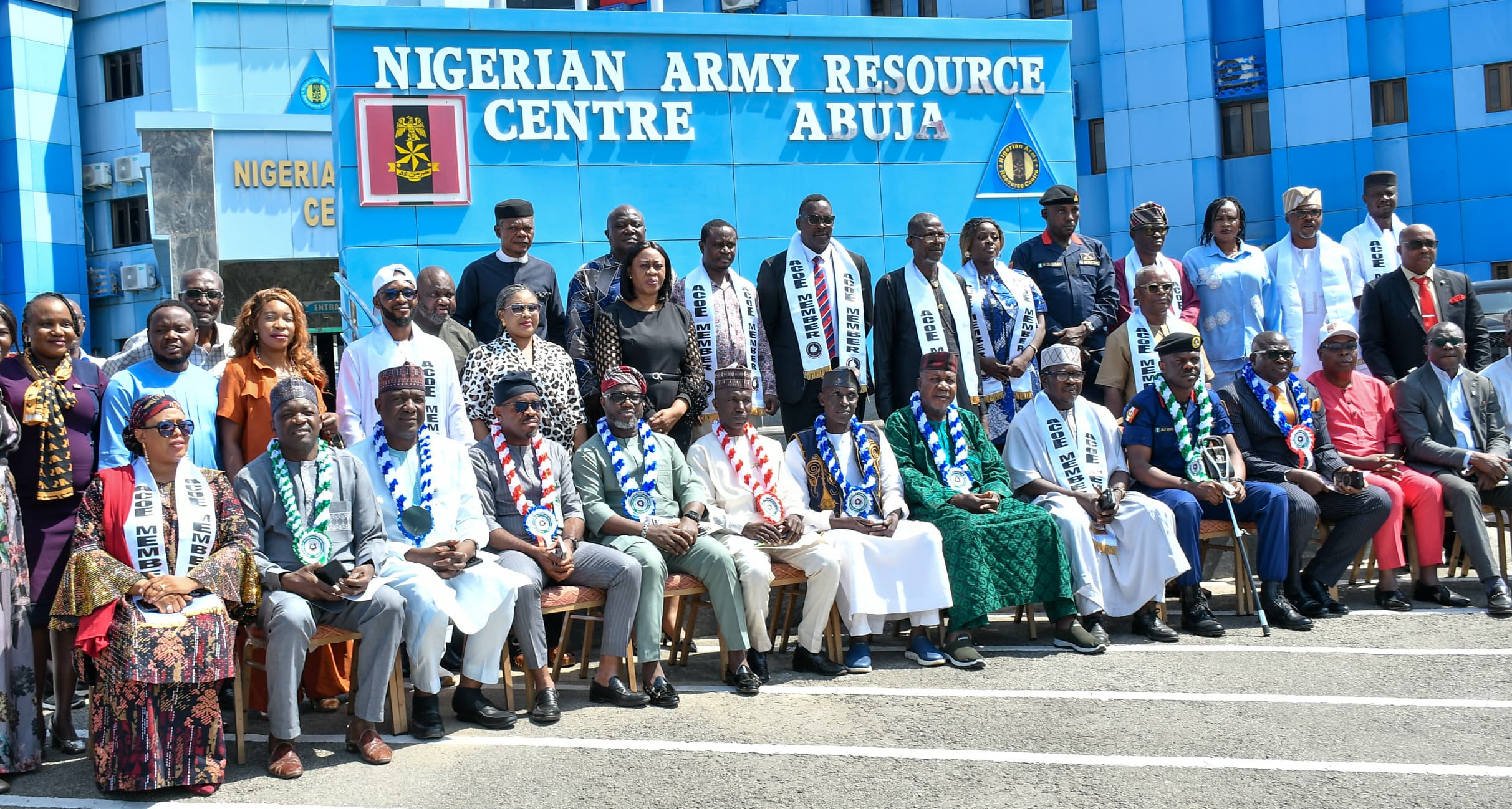
The call was contained in a communiqué issued at ACOE’s 2026 Annual Lecture and Awards held at the Army Resource Centre, Asokoro, Abuja, on Thursday.
The conference, which had the theme, “Roadmap to 2027: Strengthening Electoral Security Through Collaboration Between INEC, the Media and Political Parties for Credible and Hitch-Free Elections,” emphasised that electoral security goes beyond protecting polling units, personnel and election materials to include information security, public trust and institutional accountability.
It maintained that no single institution could independently guarantee credible and peaceful elections without the cooperation of other stakeholders.
Consequently, the association urged INEC to strengthen its communication channels with media organisations and the public, particularly on voter registration, accreditation, polling arrangements, result management and other critical electoral procedures.
It also called on political parties and their candidates to embrace issue-based campaigns, respect electoral procedures and discourage violence, voter intimidation, hate speech and harassment of journalists.
ACOE specifically expressed concern over the proliferation of unverified reports, fabricated stories, impersonation of journalists and sensational headlines arising from inadequate editorial oversight in the digital media space.
It urged online media organisations to strengthen fact-checking, source verification and editorial accountability, warning against the publication of fabricated polling unit relocation notices, manipulated election footage and false declarations of results.
The association also identified deepfakes, synthetic media, cloned voices and coordinated information manipulation as emerging threats requiring stronger verification mechanisms by media practitioners.
It recommended prompt correction of inaccurate reports and the prioritisation of credible and authoritative sources, especially during sensitive electoral periods.
On political conduct, the conference condemned the use of thugs, political violence, attacks on electoral personnel, destruction of electoral facilities and other unlawful means to influence election outcomes.
It urged political parties to exercise discipline among their supporters, honour peace agreements and channel electoral grievances through lawful and constitutional processes.
The communiqué further called on security agencies to ensure effective inter-agency coordination, intelligence sharing and impartiality in protecting voters, journalists, electoral officials and election materials.
It stressed that security personnel deployed for elections must operate within the law, respect human rights and protect citizens’ democratic rights.
On voter participation, ACOE called for intensified civic education and public enlightenment to equip Nigerians with knowledge of their electoral rights, responsibilities and voting procedures.
It commended the National Orientation Agency (NOA) for its civic education, sensitisation and advocacy efforts towards peaceful electoral participation, national unity and respect for democratic institutions.
The association urged citizens to reject vote-buying, tolerate divergent political opinions, seek information from credible sources and refrain from sharing unverified content capable of inciting violence.
It also cautioned media organisations against amplifying inflammatory statements, hate speech and divisive ethnic, religious or regional narratives for traffic, audience engagement or commercial gains.
While emphasising the media’s constitutional responsibility to hold public institutions accountable, the conference said journalists must balance their watchdog role with the need to promote national cohesion, peaceful coexistence and democratic stability.
Beyond electoral matters, ACOE called on government and policymakers to prioritise teachers’ welfare, professional development and recognition, noting the critical role of education in citizenship formation, character building and national development.
The association also pledged to strengthen its institutional capacity through professional training in digital journalism, election reporting, investigative journalism, fact-checking, misinformation detection and newsroom management.
It called for deeper partnerships with INEC, NOA, the National Identity Management Commission (NIMC), security agencies, educational institutions, civil society organisations, political parties and development partners.
According to the communiqué, such partnerships should translate into practical initiatives, including joint civic education campaigns, electoral awareness programmes, professional training and information verification mechanisms.
ACOE reaffirmed its commitment to promoting ethical journalism, responsible self-regulation, accuracy, fairness and editorial accountability, stressing that self-regulation should strengthen public trust rather than suppress freedom of expression or independent journalism.
The association said it would mobilise its members to provide Nigerians with credible information necessary for informed democratic choices ahead of the 2027 elections.
It called on all stakeholders to translate the recommendations of the conference into sustained action, warning that the credibility of the forthcoming elections and the stability of the country’s democracy would depend significantly on the willingness of institutions, political actors, media practitioners and citizens to act responsibly and collaboratively.