





BY UMAR HARUNA
The healthcare system in northern Nigeria faces profound challenges that hinder access to quality care and contribute to poor health outcomes.
Despite some progress in improving healthcare infrastructure and services, significant disparities remain between the northern and southern parts of the country.
- Advertisement -

Poor health outcomes, high maternal and child mortality rates, inadequate facilities, and a lack of trained healthcare professionals continue to plague the region, making access to healthcare a struggle for millions.
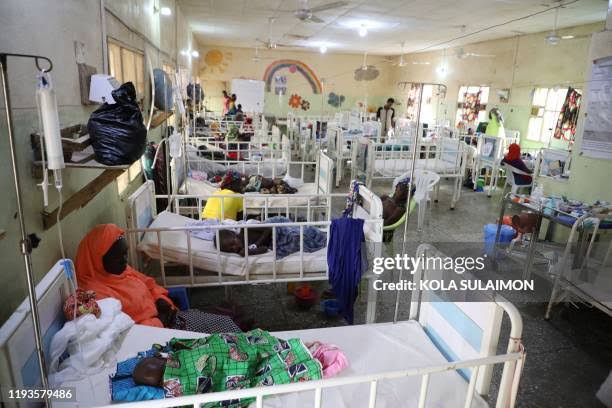
One of the most pressing issues is the lack of healthcare infrastructure. Many parts of northern Nigeria, especially in rural areas, are underserved by healthcare facilities.
Hospitals and clinics are often dilapidated, understocked with essential medicines, and lack basic equipment such as diagnostic tools and medical supplies.
This lack of infrastructure is exacerbated by the high cost of healthcare, which makes it unaffordable for many, particularly in rural areas where income levels are lower.In addition to inadequate infrastructure, there is a severe shortage of healthcare workers.
Northern Nigeria suffers from an uneven distribution of healthcare professionals, with many trained doctors, nurses, and specialists concentrated in urban areas, leaving rural communities without adequate care.
The lack of healthcare workers is compounded by the migration of medical personnel to other countries or to more developed regions of Nigeria in search of better opportunities, creating a brain drain that further strains the healthcare system.
Maternal and child health outcomes in northern Nigeria are among the worst in the country.
According to the World Health Organization (WHO), maternal mortality rates in the northern region are disproportionately high, driven by factors such as limited access to skilled birth attendants, inadequate prenatal care, and cultural barriers to seeking medical help.
In addition, high rates of malnutrition, poor sanitation, and preventable diseases contribute to high levels of child mortality, particularly in rural areas.
Another major challenge is the prevalence of communicable diseases such as malaria, tuberculosis, and cholera.
These diseases are rampant in northern Nigeria, primarily due to poor sanitation, inadequate water supply, and limited access to healthcare.
Malaria, in particular, remains a leading cause of morbidity and mortality, despite efforts to combat it through the distribution of insecticide-treated bed nets and other public health initiatives.
The lack of access to clean water and proper sanitation facilities exacerbates the spread of waterborne diseases such as cholera and diarrhea.
The health sector in northern Nigeria also faces challenges in terms of funding and governance.
While the Nigerian government allocates funds to healthcare, a significant portion of these funds is often misappropriated or inadequately managed.
Corruption, inefficiency, and poor governance at both state and local government levels further undermine efforts to improve healthcare.
As a result, the delivery of healthcare services is often inconsistent, and health outcomes remain poor despite government interventions.
Addressing the healthcare crisis in northern Nigeria requires a multifaceted approach.
First, investments in healthcare infrastructure are essential, including the construction and renovation of hospitals and clinics, as well as ensuring that medical facilities are adequately stocked with supplies.
Expanding access to healthcare workers in underserved areas through incentives such as financial rewards, professional development opportunities, and improved working conditions could help alleviate the shortage of medical personnel.
In addition, prioritizing maternal and child health, as well as tackling preventable diseases, should be central to the region’s healthcare agenda.
Increasing awareness and education on family planning, nutrition, and hygiene can help reduce maternal and child mortality.
Strengthening public health campaigns and improving sanitation and access to clean water are also vital steps in combating the spread of communicable diseases.
Lastly, addressing the governance challenges in the healthcare sector is crucial.
Transparency, accountability, and better management of healthcare funds can ensure that resources are directed where they are most needed.
Strengthening healthcare systems at the state and local levels and promoting community-based healthcare initiatives can empower local populations and improve health outcomes.
Northern Nigeria’s healthcare challenges are deeply rooted in systemic issues, but with focused efforts and investments, substantial improvements can be made.
By prioritizing healthcare access, infrastructure, and governance, the region can make significant strides toward improving the health and well-being of its population.
UMAR HARUNA A 300 LEVEL STUDENT FROM MASS COMMUNICATION DEPARTMENT BORNO STATE UNIVERSITY, BORNO STATE.