




BY FATIMA MOHAMMED USMAN
Education in northern Nigeria is facing a deep crisis that undermines the region’s development potential and contributes to widening socio-economic disparities.
Despite the government’s efforts to increase access to education, millions of children in northern Nigeria, particularly girls, remain out of school.
The education system is characterized by poor infrastructure, underfunding, low enrollment rates, and high dropout rates.
These challenges have left the region struggling to equip its youth with the skills and knowledge needed to contribute to national development.
One of the most significant challenges to education in northern Nigeria is low enrollment, particularly among girls.
In many rural areas, cultural norms and traditions place greater value on early marriage and domestic responsibilities for girls than on formal education.
- NCAA -

This has resulted in high levels of illiteracy among women and a growing gender gap in education.
According to UNICEF, northern Nigeria has the highest rate of out-of-school children in the country, with an estimated 13.2 million children out of school, many of whom are girls.
In addition to gender disparities, the quality of education in northern Nigeria is substandard.
Schools are often overcrowded, with outdated curriculums and a lack of learning materials such as textbooks, computers, and laboratory equipment.
Teachers are often undertrained and poorly paid, which affects the quality of instruction.
The education system also faces a significant shortage of qualified teachers, particularly in rural areas, where many schools rely on unqualified personnel to manage classrooms.
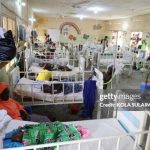
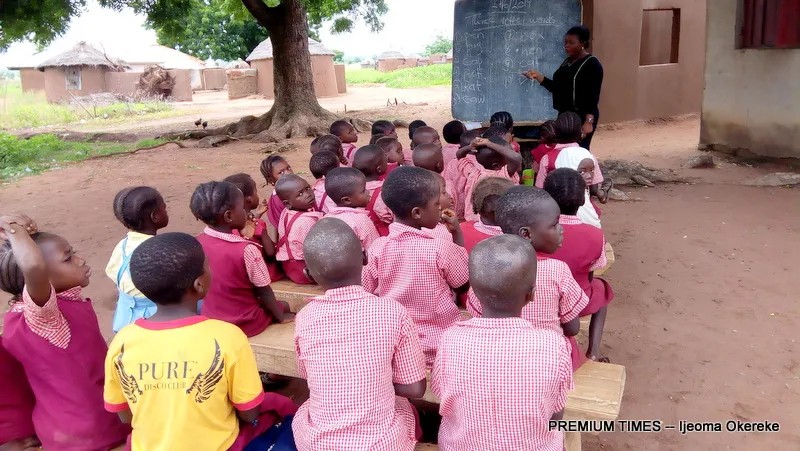
The educational infrastructure in the region is another major problem. Many schools in northern Nigeria are in a state of disrepair, with leaking roofs, inadequate classrooms, and insufficient sanitation facilities.
In some areas, students are forced to attend makeshift schools, often in unsafe or overcrowded conditions.
The lack of basic amenities such as electricity, clean water, and proper seating further diminishes the learning experience, particularly for girls, who are more likely to drop out due to lack of facilities like separate toilets.
The Boko Haram insurgency has exacerbated the education crisis in northern Nigeria, particularly in the northeast.
The group’s attacks on schools and teachers, the abduction of schoolgirls, and the destruction of educational infrastructure have disrupted education for millions of children. In regions like Borno, Yobe, and Adamawa, many schools remain closed or have been repurposed as shelters for displaced persons.
The fear of violence has also led to a reluctance among parents to send their children to school, further compounding the education crisis.
The impact of this education crisis is profound. Without access to quality education, young people in northern Nigeria are left ill-prepared to contribute to the workforce, perpetuating cycles of poverty and underdevelopment.
The lack of education, particularly for women, limits economic opportunities, hinders social mobility, and reinforces gender inequality.
Furthermore, the lack of an educated workforce is a barrier to attracting investment and fostering economic growth in the region.
Addressing the education crisis in northern Nigeria requires a multifaceted approach.
First, there needs to be increased investment in educational infrastructure, including the construction and renovation of schools, provision of teaching materials, and improvement of sanitation facilities.
In addition, there should be a focus on improving teacher training and providing incentives to retain qualified teachers in rural areas.
Programs that promote girl-child education, including community engagement and sensitization campaigns, are also essential to reduce gender disparities in education.
The Nigerian government has introduced initiatives such as the Universal Basic Education (UBE) program and the Safe Schools Initiative, but their implementation has been inconsistent.
To make a real impact, these initiatives must be fully funded, effectively managed, and expanded to reach the most marginalized communities.
In conflict-affected areas, it is crucial to prioritize the rebuilding of schools and the protection of students and teachers.In the long term, the education system in northern Nigeria must be reformed to focus on quality, inclusivity, and accessibility.
This includes revising curricula to meet the demands of the modern economy and integrating technology into the classroom.
Expanding vocational and technical education can also provide alternative pathways to employment, particularly for young people who are not academically inclined.
The education crisis in northern Nigeria represents a major barrier to the region’s progress.
Addressing it will require a concerted effort from the government, international partners, and local communities.
With the right investments and policies, northern Nigeria can build a more inclusive and equitable education system that equips its youth with the skills needed to thrive in an increasingly globalized world.
FATIMA MOHAMMED USMAN IS A 300 LEVEL STUDENT FROM MASS COMMUNICATION DEPARTMENT BORNO STATE UNIVERSITY, BORNO STATE