





By Chidi Ugwu
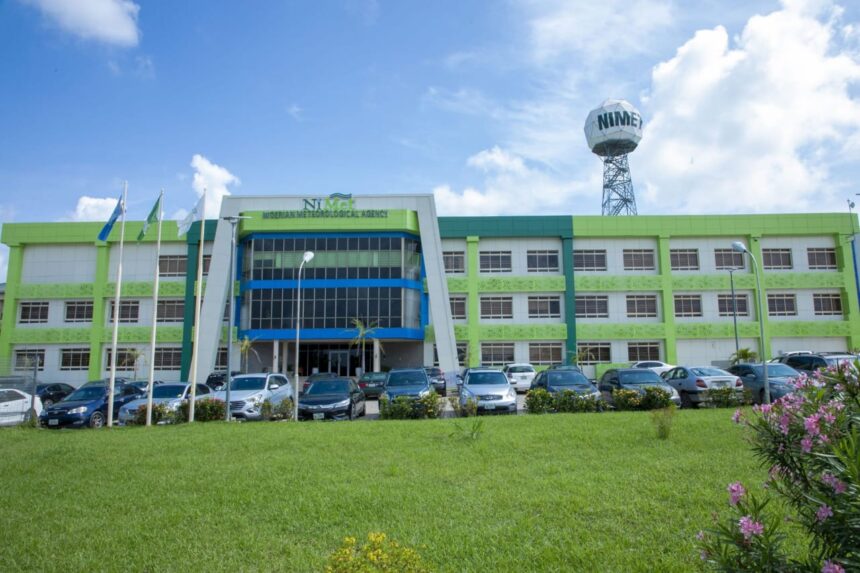
The Nigerian Meteorological Agency (NiMet) has rejected recent reports suggesting that farmers lost nearly N5 trillion due to its weather forecasts, describing the claims as “bogus, alarmist, and economically irresponsible.”
The statements appeared in The Nation on February 2, 2026, and Daily Trust on February 3, 2026, citing the Foundation for Peace Professionals as the source of the alleged losses. NiMet stressed that these claims lack verifiable data, transparent methodology, and independent assessment.
- Advertisement -

For over 140 years, NiMet has provided credible and accurate weather forecasts, which have been crucial for policy planning and agricultural decision-making.
According to the agency, seasonal climate predictions, early warning alerts, and localized agro-advisories consistently empower Nigerian farmers to make informed choices on planting schedules, crop selection, irrigation, and risk management.
These advisories are disseminated through state governments, extension services, media outlets, and digital platforms.
“Stakeholders across the agricultural value chain, including development partners and the World Meteorological Organization (WMO), have consistently rated NiMet forecasts highly, often exceeding a 60 to 90 percent accuracy threshold,” NiMet said in a statement signed by Rabiatu Lawal Ado, Acting Head of the Public Relations Unit.
NiMet also highlighted the results of the 2025 Wet Season Agricultural Performance survey, conducted in collaboration with institutions such as the Nigerian Agricultural Research Institutes, National Bureau of Statistics, Federal Ministries of Agriculture and Livestock, and state-level agricultural agencies.
The survey showed that crop yields and livestock production improved over 2024 levels, with rice, maize, cowpea, yam, cassava, and groundnut production all increasing.
Food prices reportedly fell across all regions, reflecting enhanced supply and effective agricultural interventions.
The agency emphasized that Nigerian agriculture remains a vital source of economic growth and food security, and its forecasts continue to support climate resilience and sustainable development.
NiMet urged the media, civil society organizations, and other stakeholders to engage responsibly and factually on issues of national importance.
“NiMet will not be deterred by sensational narratives,” the agency said, reaffirming its commitment to providing accurate weather and climate information for the benefit of farmers and the nation at large.