

Aleke Aleke in Abuja
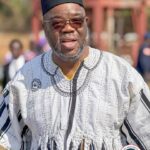
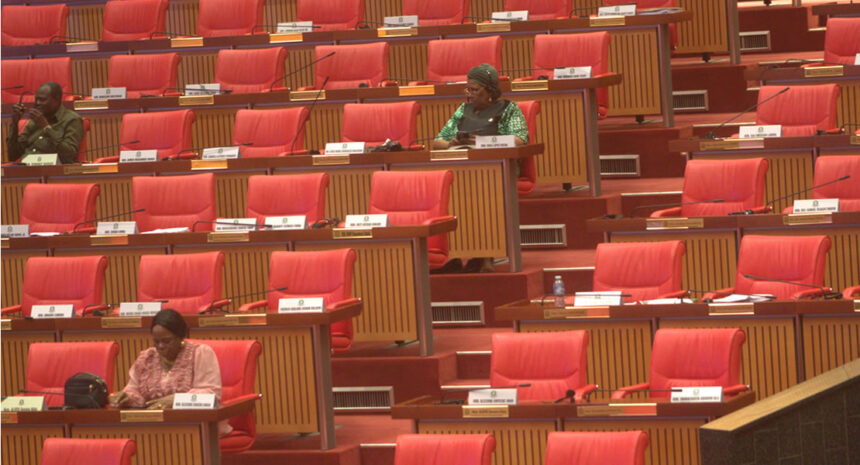
The Fourth Deputy Speaker of the ECOWAS Parliament, Hon. Billy Tunkara, has raised serious concerns over the persistent inability of the Parliament to form a quorum during its Ordinary Sessions in Abuja, describing the situation as both troubling and unacceptable.
Tunkara lamented that despite extensive logistical arrangements, including business-class flights for Members of Parliament (MPs) attending the two-week sessions, the Parliament continues to struggle to meet the constitutional requirement of a quorum of fifty-plus-one members.
- Advertisement -

He noted that this poor turnout is particularly disappointing given the numerous political and security challenges currently confronting the West African sub-region.
He said: “It is disheartening that at a time when so many critical issues demand our attention, members still fail to show up to deliberate on matters affecting our people.”
Speaking in an interview, the Deputy Speaker outlined the steps taken by the Parliament to ensure members’ convenience.
He explained that plenary sittings run from 10:00 a.m. to about 4:00 p.m., leaving ample personal time for MPs in the evenings. In addition, buses are deployed to collect members from their hotels as early as 9:00 a.m. to guarantee a timely commencement of proceedings.
“No matter how busy you are, you still have the rest of the evening to yourself,” he said, adding that the Parliament has done all it can to remove excuses for lateness or absence.
Tunkara described the attitude of some MPs as worrying, recalling similar challenges during the last Ordinary Session.
He revealed that efforts are ongoing to address the issue, including advising the Speaker to engage directly with heads of national delegations on the importance of punctuality and regular attendance.
“Community funds are used to bring members here from their various countries. They should not have to be begged to attend sessions they were sent here to participate in,” he asserted.
According to him, membership of the ECOWAS Parliament is a privilege that comes with responsibility.
He warned that persistent absenteeism reflects poorly not only on the individuals concerned but also on the countries they represent.
“The whole idea of this Parliament is to give committed people the opportunity to represent their citizens. It does not speak well of any MP or delegation when members are absent without justification. They should raise their national flags high,” he said.
He was particularly critical of unexplained absences, noting that while legitimate reasons are understandable, staying away from the chamber without cause is unacceptable.
“If you have a genuine reason, people will understand. But if you are in your hotel room, having been paid allowances, and you do not come to the chamber, it does not reflect well on you,” he lamented.
In a bid to tackle the problem structurally, Tunkara disclosed that he was mandated to chair a committee to review the Parliament’s rules of procedure, with a focus on enforcing quorum requirements.
He said the committee’s report has since been adopted as a working document.
However, he admitted that despite these reforms and repeated engagements with heads of delegation, there has been little improvement in members’ attitudes.
He agreed that the proposed move towards direct elections for ECOWAS Parliament MPs could help address the issue of divided loyalty between national parliaments and the regional legislature.
“With direct elections, members would have a single mandate. They would be able to concentrate fully on their legislative responsibilities in Abuja without the pressure of rushing back to their national assemblies,” he said.
Highlighting his personal example, Tunkara said balancing national and regional duties requires sacrifice.
He said, “I am the head of government business in my national parliament, but my deputy holds the fort when I am away. We are all senior office holders at home, but we understand the task before us and the need to make sacrifices for the Community Parliament.”
Despite his criticism, the Deputy Speaker commended delegations from The Gambia, Senegal, Liberia, Guinea, and Cape Verde for their consistency and commitment.
He described their punctuality and willingness to remain throughout the sessions as exemplary.
“I personally visited their hotels to thank their delegation leaders. The Bureau truly appreciates their dedication,” he concluded.