








The National Identity Management Commission (NIMC) has identified public understanding and trust as critical to the successful implementation of Nigeria’s new identity management law, warning that misinformation around the National Identification Number (NIN) and personal data could undermine the benefits of the reform.
The commission said this was why it would deepen engagement with online media organisations and other stakeholders as implementation of the National Identity Management Act 2026 gathers momentum.
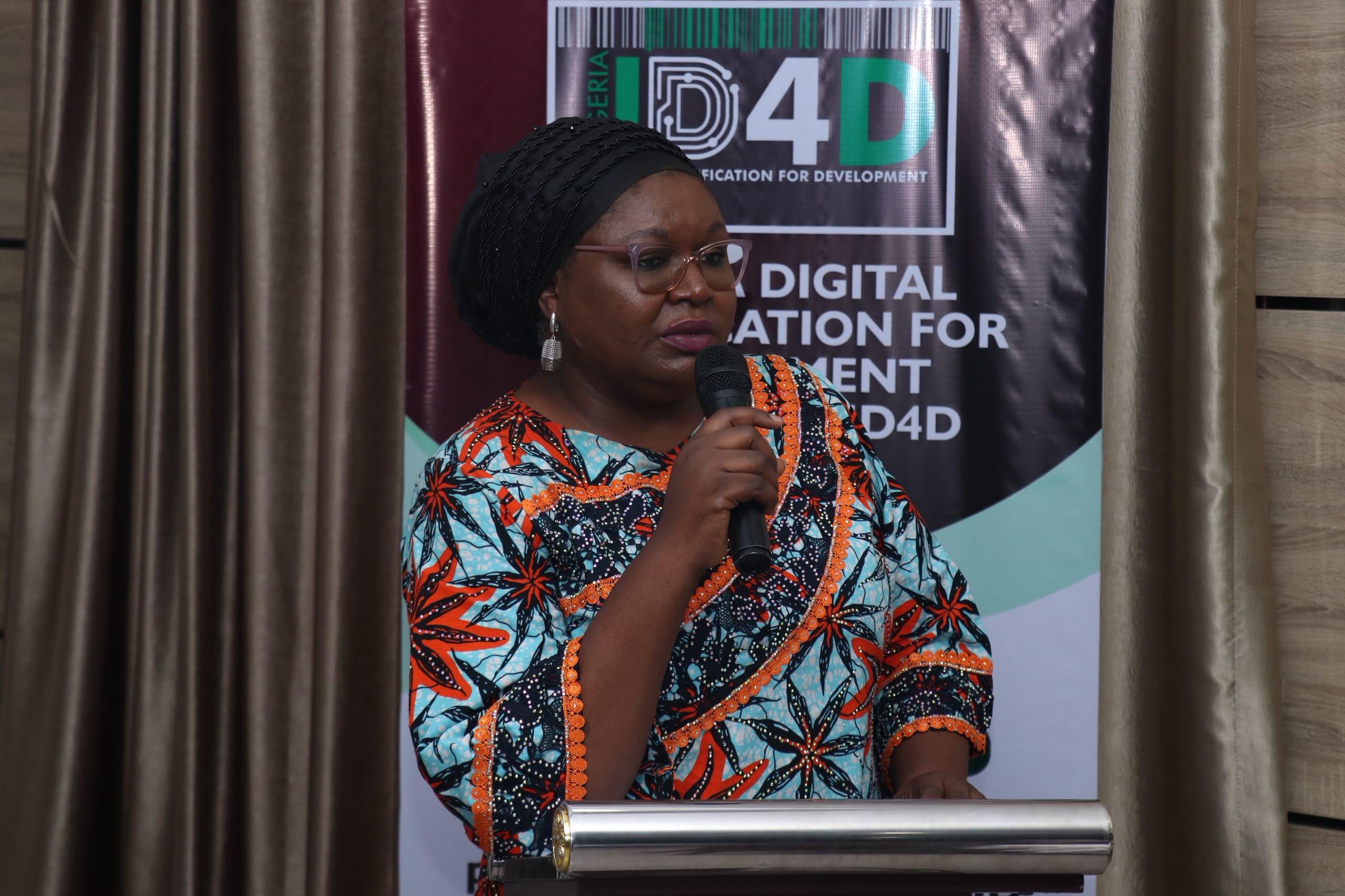
The Director, SERVICOM, NIMC, Mrs. Florence Oloruntade, who represented the Director-General, Engr. Abisoye Coker-Odusote, disclosed this on Monday in Abuja at the commission’s seventh roundtable workshop with online media partners.
The workshop, organised in collaboration with the Association of Corporate Online Editors (ACOE), was themed: “The New NIMC Act: Building Trust, Enabling Services, Transforming Nigeria.”

Oloruntade said the new law had significantly changed the legal framework governing identity management in Nigeria, making sustained public communication necessary to ensure citizens understood both the opportunities and obligations created by the legislation.
She stressed that transparency should not end with the enactment of the law, but should remain a continuous responsibility of the commission.
According to her, the media would be central to explaining to Nigerians what has changed under the new framework, particularly in areas relating to NIN, data privacy, identity authentication and the use of personal information.
“Misinformation about the NIN, about data privacy, about mandatory use has cost us public trust in the past,” she said.
The NIMC director therefore urged online editors and other journalists to provide accurate and balanced reports on the new law and its implementation, arguing that effective communication would be essential to rebuilding confidence in the national identity system.
She said NIMC would continue its dialogue with ACOE and the wider media community because Nigerians needed clear information to understand how the new identity regime would affect them.
The commission’s position is coming against the backdrop of growing reliance on digital identity for access to public and private services, making questions around data protection, authentication and interoperability increasingly important.
Oloruntade recalled that NIMC began extensive stakeholder consultations in 2024, including roundtable sessions in Abuja and Lagos.
She said the consultations provided an opportunity for stakeholders to raise concerns around the inclusion of vulnerable Nigerians, eligibility for NIN, ownership of identity data and the circumstances under which identity information could be disclosed.
The new law, signed by President Bola Ahmed Tinubu on June 26, 2026, repealed and replaced the NIMC Act of 2007, providing what the commission described as a modern legal foundation for Nigeria’s identity management system.
Under the legislation, NIMC’s responsibilities have been expanded to cover areas including secure authentication, encryption, digital signatures and electronic trust services.
The law also provides a legal basis for greater interoperability among government databases and identity systems.
According to NIMC, the development could improve the delivery of essential services while strengthening national security and making identity verification more reliable across government systems.
But the commission acknowledged that the existence of the new law alone would not guarantee these outcomes.
Oloruntade said the immediate challenge was to ensure that Nigerians understood the provisions of the legislation and how they affected their rights and responsibilities.
“The ultimate responsibility is now to ensure that Nigerians not only know that a new identity law exists but also understand how it affects them,” she said.
For NIMC, therefore, the new phase of identity management will involve not only building stronger digital and legal infrastructure but also addressing the trust deficit that has accompanied discussions around identity data and the NIN.
The commission’s renewed engagement with ACOE is expected to provide a platform for sustained public education as the provisions of the 2026 Act move from legislation to implementation.
The emphasis on communication also places greater responsibility on media organisations to distinguish between the provisions of the new law and misconceptions surrounding NIN requirements, data protection and the use of identity information.
With identity increasingly becoming a gateway to public services and digital transactions, the success of the new framework will ultimately depend not only on the systems NIMC builds but also on the confidence Nigerians have in how their identity information is collected, protected and used.