




By Chidi Ugwu
The Director-General of the Nigerian Meteorological Agency (NiMet), Prof. Charles Anosike, has issued a strong call for urgent investment in weather observation systems, warning that Nigeria’s ability to predict and survive extreme climate events depends largely on the quality of data collected today.
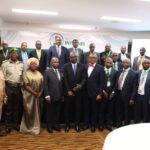
Speaking at the 2026 World Meteorological Day celebration in Abuja, Anosike anchored his message on the theme, “Observing Today, Protecting Tomorrow,” stressing that accurate and timely weather observations are the foundation of all forecasts, early warnings, and climate projections.
- Advertisement -

According to him, the increasing frequency of extreme weather events driven by climate change has made reliable meteorological data more critical than ever.
He pointed to findings from NiMet’s 2025 climate report, which showed that at least 23 Nigerian cities recorded extreme daytime temperatures of 40°C and above, with Nguru experiencing up to 100 days of such intense heat.
He also noted a rising trend in flooding across the country. “These realities underline a simple truth — without strong observation systems, we cannot accurately predict or effectively respond to climate risks,” Anosike said.
The NiMet boss highlighted ongoing efforts by the agency to modernise its infrastructure, including the expansion of surface and upper air observation networks, satellite data systems, and automatic weather stations.
These, he said, are already supporting critical sectors such as aviation safety, agriculture, disaster management, and maritime operations.
However, he maintained that government efforts alone are insufficient to meet growing demands.
Anosike pushed for deeper collaboration with the private sector, noting that global trends show increasing private investment in weather technologies such as remote sensing, data analytics, and artificial intelligence-driven forecasting models. He said such partnerships are essential for building a sustainable and comprehensive national observation system.
“Every weather station installed today strengthens our ability to safeguard lives and economic activities in the future,” he said, describing investment in meteorological infrastructure as both “critical and imminent.”
He also revealed that NiMet is extending its technical expertise beyond Nigeria, providing advisory support to countries such as Liberia, Niger, Somalia, and Burkina Faso under international cooperation frameworks coordinated by the World Meteorological Organization.
In his goodwill message, the Director-General of the Nigeria Hydrological Services Agency (NIHSA), Umar Ibrahim Mohammed, reinforced the importance of meteorological data in national planning and disaster risk reduction.
He commended NiMet’s longstanding contributions, noting that its forecasts have remained reliable despite operational challenges.
Mohammed urged stakeholders to make better use of weather and hydrological forecasts to improve economic outcomes and protect vulnerable populations, adding that coordinated data sharing remains vital for environmental sustainability.
The event brought together meteorologists, hydrologists, scientists, and policymakers, all echoing a common message: that strengthening observation systems today is indispensable to securing Nigeria’s environmental and economic future.