




A member of the Governing Board of the North East Development Commission (NEDC) and Chairman of its Committee on Security, Climate Change and Special Interventions, Rep. Sam Onuigbo, has praised President Bola Ahmed Tinubu for what he described as a historic step toward fulfilling the long-promised post–civil war programme of Reconciliation, Rehabilitation and Reconstruction (the three Rs) for the Igbo people.
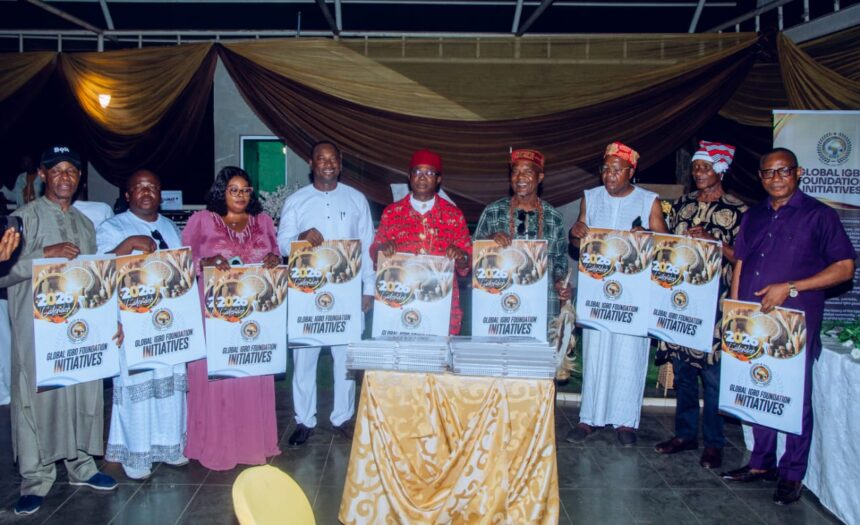
Speaking in Abuja at the inaugural stakeholders’ meeting of the Global Igbo Foundation Initiatives, Onuigbo said the creation of the South East Development Commission (SEDC) signalled a renewed national commitment to addressing decades-old grievances and rebuilding confidence in the unity of the country.
He said the gesture had resonated deeply across the region and should serve as a springboard for broader structural corrections, including the longstanding demand for a sixth state in the South-East to bring the zone at par with others.
- Advertisement -

“It is a thing of joy that Nigeria is finally activating the promised three Rs,” Onuigbo said. “President Tinubu deserves commendation for breathing life into a commitment made at the end of the civil war. We respectfully appeal that this goodwill be extended further by ensuring that a sixth state is created in the South-East to eliminate decades of marginalisation rooted in a faulty foundation.”
Onuigbo noted that the conversation about Igbo identity, evolution, and future must be rooted in history and the intellectual tradition of Igbo scholarship. He referenced renowned historians such as Adiele Afigbo, Elizabeth Isichei, Chinua Achebe, and Ogbu Kalu, whose works emphasise the complexity and dynamism of Igbo civilisation.
The keynote address, titled “Igbo Yesterday, Today and Tomorrow,” traced Igbo history from its decentralised republican political culture to its resilience through colonialism, the civil war, and contemporary national politics. Onuigbo argued that the Igbo have long been misunderstood due to colonial misrepresentations that characterised them as “stateless,” “fragmented,” or “ungovernable.” He said modern scholarship has since corrected these misconceptions, revealing a sophisticated civilisation built on participatory democracy, communal ethics and entrepreneurial innovation.
The lawmaker explained that traditional Igbo governance systems — village assemblies, councils of elders, age-grade structures and women’s councils — embodied accountability and collective decision-making long before Western democratic institutions emerged. He added that Igbo history demonstrates “unity in diversity,” with autonomous communities sharing a coherent worldview anchored on justice, productivity and human agency.
Onuigbo also highlighted the transformational role of the Igbo educational and entrepreneurial ethos, noting that despite the late arrival of Western education in the hinterland, the Igbo embraced learning with unmatched zeal. This produced remarkable post-war progress, including the globally studied “Igba Boi” apprenticeship model, which he said requires revision and institutional support to remain effective in the modern economy.
He recalled archaeological findings at Igbo-Ukwu as evidence of a highly advanced civilisation that engaged in global trade centuries before colonial contact. He said Igbo-Ukwu “completely upended the colonial narrative that suggested the Igbo had no early civilisation.”
While assessing the present, Onuigbo said the Igbo continue to excel in commerce, technology, scholarship and global migration patterns, but face internal and external challenges affecting their cohesion and future growth. He identified the decline of the Igbo language, shrinking political representation and continued reminders of the civil war as barriers that must be addressed.
He urged the Igbo to strategically strengthen their political voice, invest in technology and manufacturing, and revive indigenous business models like the Nnewi industrial template to secure economic stability at home. He also advocated collective support for new states and local governments in the region.
“As we chart a path for tomorrow, we must confront threats to our language, culture and political relevance,” he said. “We must not allow geography, history or politics to shrink our identity.”
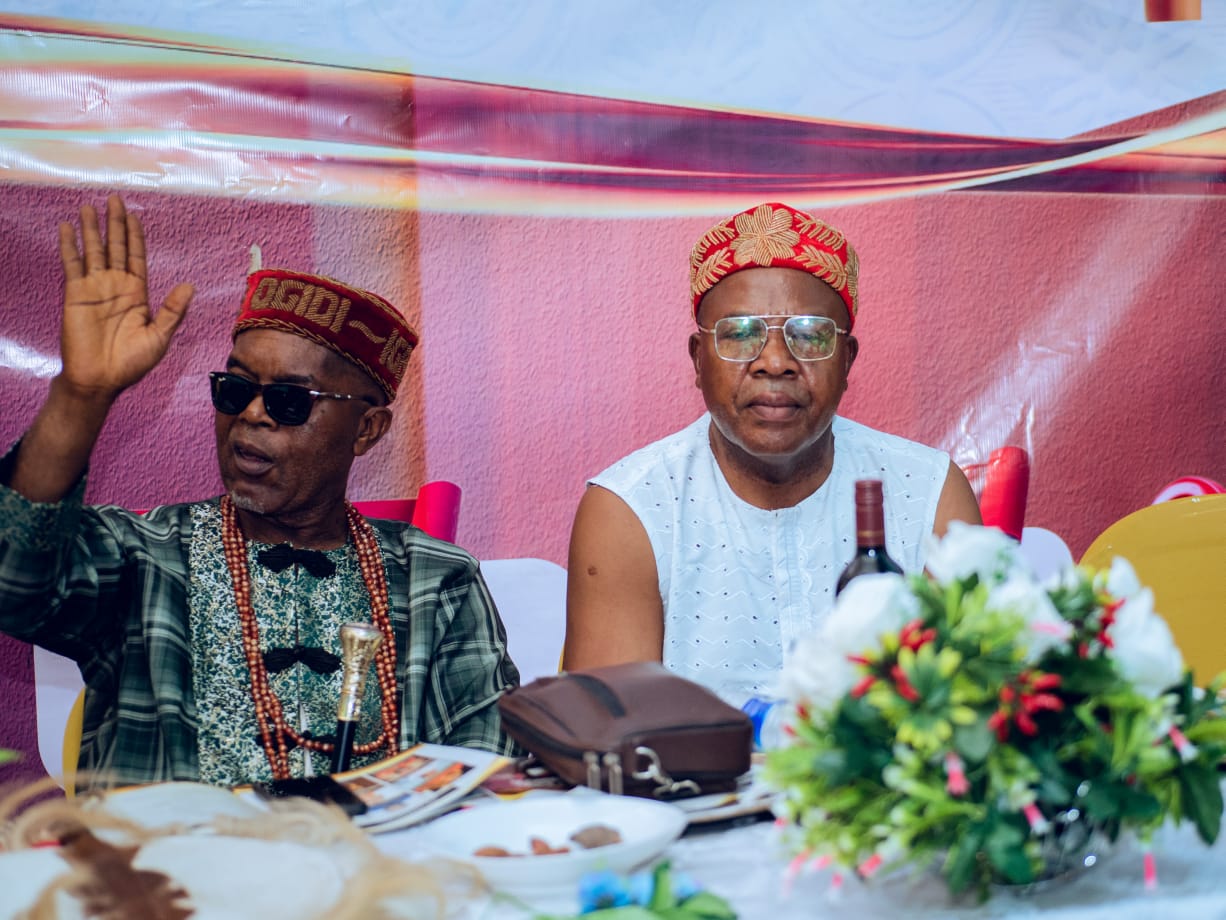
Onuigbo commended the leadership of the Global Igbo Foundation Initiatives for organising the event, describing it as timely and necessary for renewing unity and direction within the Igbo nation. He acknowledged the presence of the former Senate President and Zonal Coordinator of the Renewed Hope Agenda, Anyim Pius Anyim, as well as the Chairman of the Foundation’s Board of Trustees, Dr. Okwesilieze Nwodo.
The Global Igbo Foundation Initiative (GIFI) President, Dr. Jonathan Lois, declared the organisation as a new platform for redefining Igbo identity, strengthening cultural values, and preparing a new generation of leaders.
Addressing traditional rulers, diplomats, government officials, and Igbo leaders from across the world, Dr. Lois said the launch of GIFI marked “the beginning of a renaissance” aimed at unifying the Igbo nation around shared values, economic empowerment, and a restored sense of pride.
“This is not just the birth of an organisation,” he said. “Today marks the beginning of a renaissance, a deliberate step toward shaping the future of the Igbo nation with clarity, unity, and purpose.”
Dr. Lois said GIFI was formed as a pan-Igbo platform to strengthen cultural identity, expand economic opportunities, and nurture a new generation of Igbo thinkers, creators, and leaders. He stressed that decades of misrepresentation of the Igbo people, especially after the civil war, made it necessary to reclaim and reshape the global narrative.
“For too long, narratives about Ndi Igbo have been shaped by voices that do not represent us,” he said. “Our duty is to reclaim that narrative and present to the world the truth about who we are — a people of peace, enterprise, ingenuity, integrity, and resilience.”
The GIFI president said the organisation emerged at a time when the Igbo face deep social and cultural challenges, including erosion of values, youth unemployment, increasing pressure for illegal shortcuts, and a disconnect between young people and Igbo heritage. She said these issues have created “a battle for the mind, for values, and for identity,” which GIFI intends to confront head-on.
Unveiling the group’s Five-Point Strategic Agenda, Dr. Lois said GIFI would focus on cultural reorientation, youth mindset re-engineering, economic empowerment through farming and enterprise, leadership development, and community security.
She said the most urgent priority was rebuilding the Igbo mindset, especially among young people.
“Many of our youths are disconnected from the values that once made us a global model — hard work, apprenticeship, innovation, self-respect, and communal progress,” he said. “The rise of ‘quick money’ culture threatens the moral foundation of our people. But we must respond with guidance, structure, and opportunity.”
She announced that GIFI would establish leadership development programmes, modern apprenticeship systems, digital and vocational hubs, mentorship networks, and entrepreneurship incubation centres to restore discipline, creativity, and self-reliance among young people.
“There is dignity in honest labour,” he added, “and there is honour in building from the ground up.”
Dr. Lois also outlined plans to revive the pillars of the traditional Igbo economy — agriculture, trade, innovation, and community collaboration — through partnerships with local and international development institutions.
Calling on Igbo leaders across generations and sectors to join the movement, she urged elders, traditional rulers, professionals, government officials, women and youth to contribute their strength to rebuilding the region.
“To our elders, your wisdom must guide us. To our leaders in government and industry, your influence must open doors. To our women, you remain the backbone of our culture. To our youth, you are the present and the possibility.”
The summit ended with a symbolic declaration of a “new Igbo renaissance,” which Dr. Lois said would be built on unity, truth, dignity and collective progress.
“The Igbo nation will rise again — not by chance, but by choice; not by politics, but by purpose,” she said.
The meeting brought together Igbo leaders, scholars, and stakeholders to examine contemporary issues affecting Igbo development and strengthen collective strategies for the future.