


Aleke Aleke in Abuja
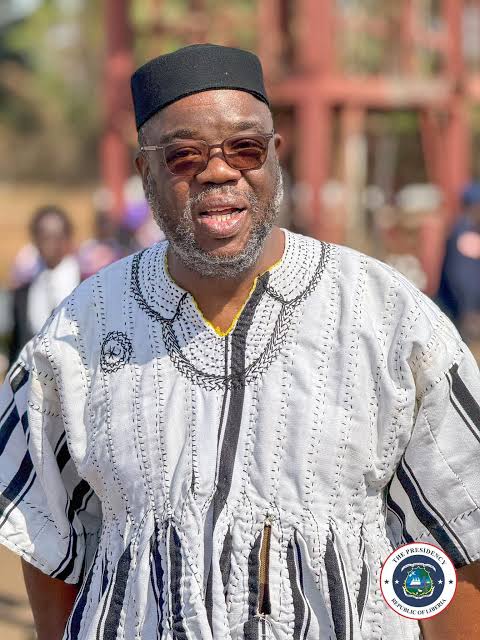
The Chairman of the Committee on Political Affairs, Peace, Security, and the African Peer Review Mechanism (APRM), Senator Edwin Melvin Snowe Jr., has issued a stark warning over the future of the Economic Community of West African States (ECOWAS), cautioning that the regional bloc could disintegrate if its mounting challenges are not urgently and decisively addressed.
According to Snowe Jr., the problems confronting ECOWAS have reached a critical stage and require honest engagement and courageous leadership.
- Advertisement -

He stressed the need for member states and institutions to confront hard truths rather than avoid them.
“We have to be careful, we have to be firm, and we must be willing to look each other in the face and speak truth to power,” he said, underscoring the urgency of collective responsibility.
Turning his attention to the ECOWAS Parliament, the senator expressed deep concern over what he described as institutional weaknesses, particularly the absence of live media coverage of parliamentary proceedings.
He questioned how a regional parliament could function effectively while limiting public access to its deliberations.
“How can we have an ECOWAS Parliament and say there will be no live coverage?” he asked.
He added, “That is the next campaign I am taking up in this Parliament. Parliaments across the world are embracing live coverage, yet we are moving in the opposite direction.”
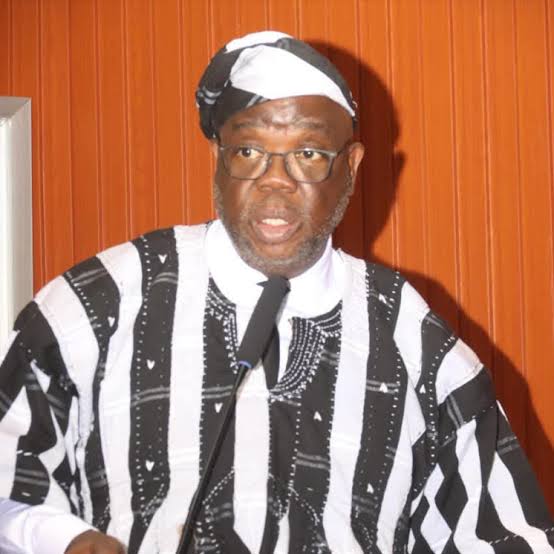
The Liberian law maker linked the lack of transparency to poor accountability, pointing to the visibly low attendance at the session.
He noted that if proceedings were broadcast live, citizens across member states would be able to see which of their representatives were present and which were absent.
“Look around today—the chamber is virtually empty. If we were live, people back home would be asking questions. Where are their representatives? This is what I call a constituency check. The people sent you here to represent them, and you owe them accountability.”
He further criticized the absence of lawmakers from countries with large parliamentary delegations, singling out Nigeria as an example.
“Nigeria has 35 slots in this Parliament, yet most of its representatives are not here. And then we argue against live coverage? We need transparency. There was an excellent debate on Guinea-Bissau, but it received no publicity.”
The senator made these remarks at a seminar on experience sharing, dialogue, and mediation organized by the Folke Bernadotte Academy (FBA).
He commended the Academy for its deep understanding of the West African region and its complex diversity.
Snowe Jr. also praised Emmanuel Habuka Bombande, former Deputy Minister of Foreign Affairs of Ghana, for his presentation at the event, highlighting his extensive experience within the United Nations system.
Describing the FBA as a key player in the global peace and security framework, Snowe Jr. called for a sustained partnership with the institution.
Drawing from his personal experience as an alumnus, he acknowledged the impact of the Academy’s training on his work.
“FBA is part of the global peace and security architecture. We should build a lasting relationship with them. In just one week, I learned so much—especially in peacebuilding and political affairs. I can honestly say that much of what I know today in these areas, I owe to that experience,” he concluded.