







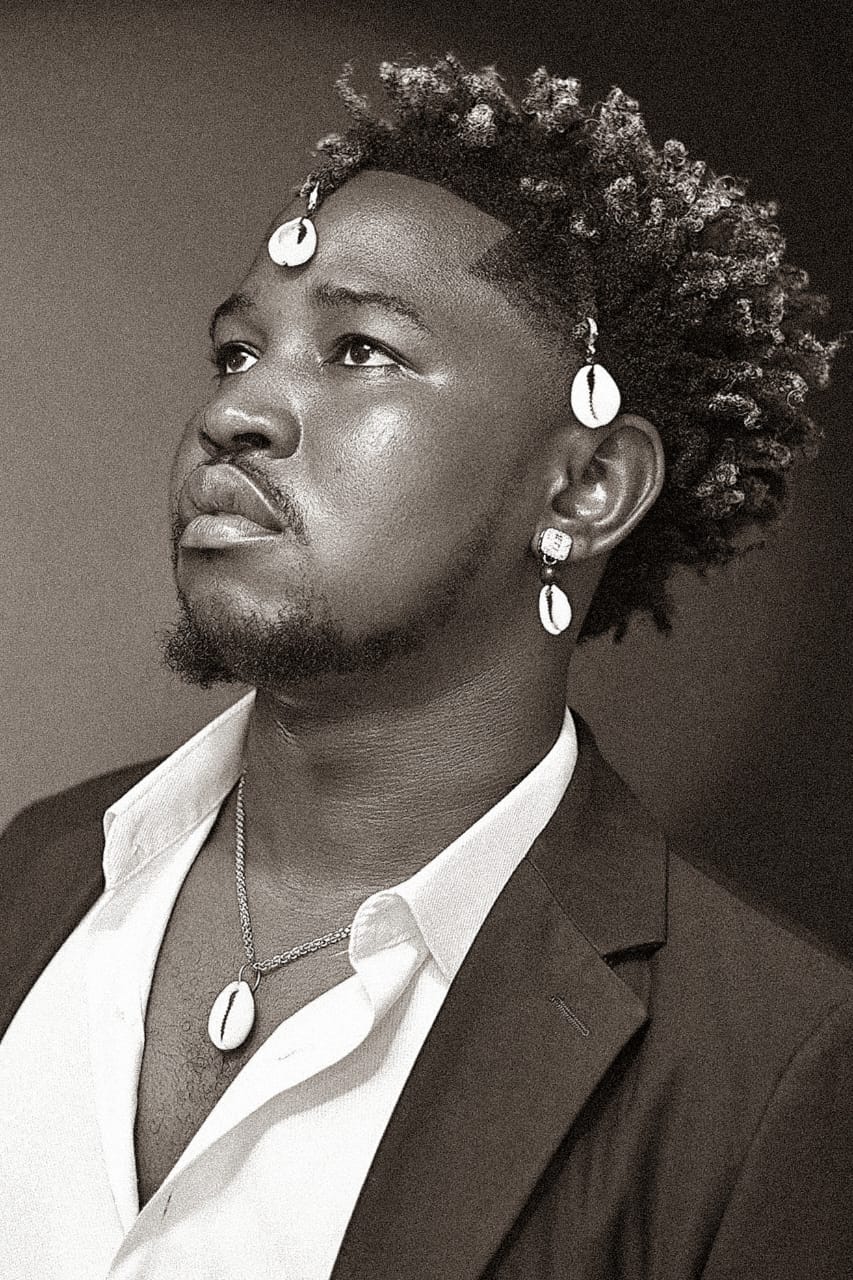
Nigerian artiste, Maris Quti, born Chimaobi Martins Abonyi, is carving a distinctive musical identity by blending traditional Igbo influences and classic Highlife with contemporary Afro-fusion.
Quti’s emerging sound seeks to reinterpret Eastern Nigerian musical traditions for a modern audience, combining guitar-driven Highlife elements, indigenous language and storytelling with contemporary African production.
His musical direction is anchored on what he describes as “Roots. Rhythm. Rebirth.” — a framework that places cultural heritage at the centre of his music while allowing room for transformation and modern expression.
- NCAA -

The artiste’s catalogue reflects different aspects of identity, spirituality and human relationships, with songs including “My Land Africa,” “Okwudili,” “Apunaanwu” and “Fake Love.”
While “My Land Africa” focuses on cultural pride, “Okwudili” and “Apunaanwu” explore spiritual themes, while “Fake Love” presents a more contemporary and vulnerable perspective on relationships.
Quti’s latest single, “Ebube Mmuo,” featuring Ejima042, was released in August 2026 and further develops his Afro-Highlife sound through the use of Igbo rhythms and cultural references.
The title “Ebube Mmuo,” which combines the Igbo words for “glory/majesty” and “spirit,” reflects the spiritual and cultural themes underpinning the artiste’s musical direction.
According to the artiste’s management, Quti’s approach is not aimed at simply recreating older forms of Eastern Nigerian music, but at reinterpreting them through contemporary sounds and production techniques.
The management said the artiste’s music seeks to preserve elements of Eastern Nigerian musical traditions, particularly language, rhythm and storytelling, while presenting them in a format accessible to contemporary and global audiences.
The latest release adds to Quti’s growing catalogue as he continues to develop a sound that places Igbo cultural expression alongside modern Afrosound.
His essential releases include “Ebube Mmuo” featuring Ejima042, “My Land Africa,” “Apunaanwu,” “Okwudili” and “Fake Love.”
With the new movement, Quti is positioning his music around the intersection of cultural heritage and contemporary African sound, using Highlife as a foundation for a modern interpretation of Igbo musical identity.