






Ogbu Christopher
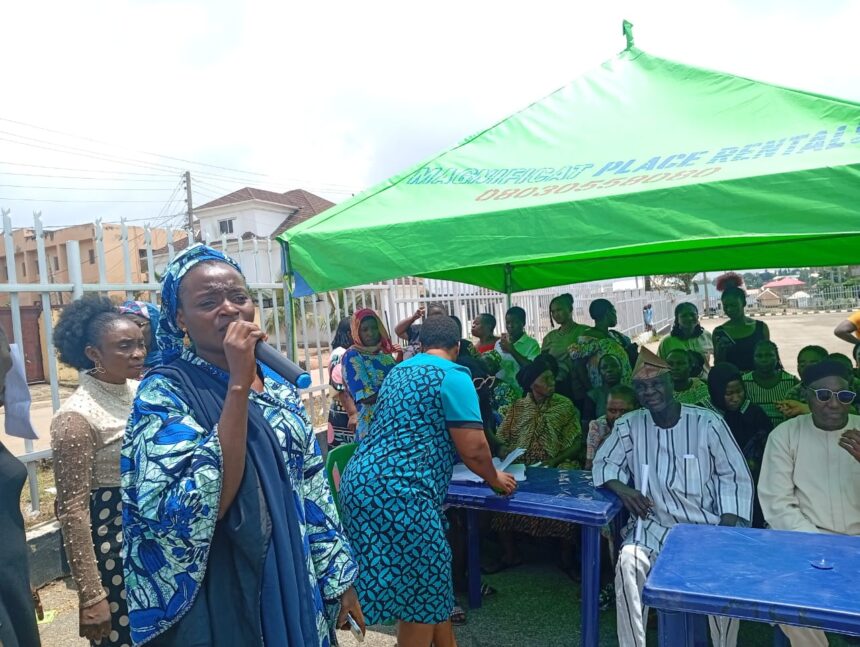
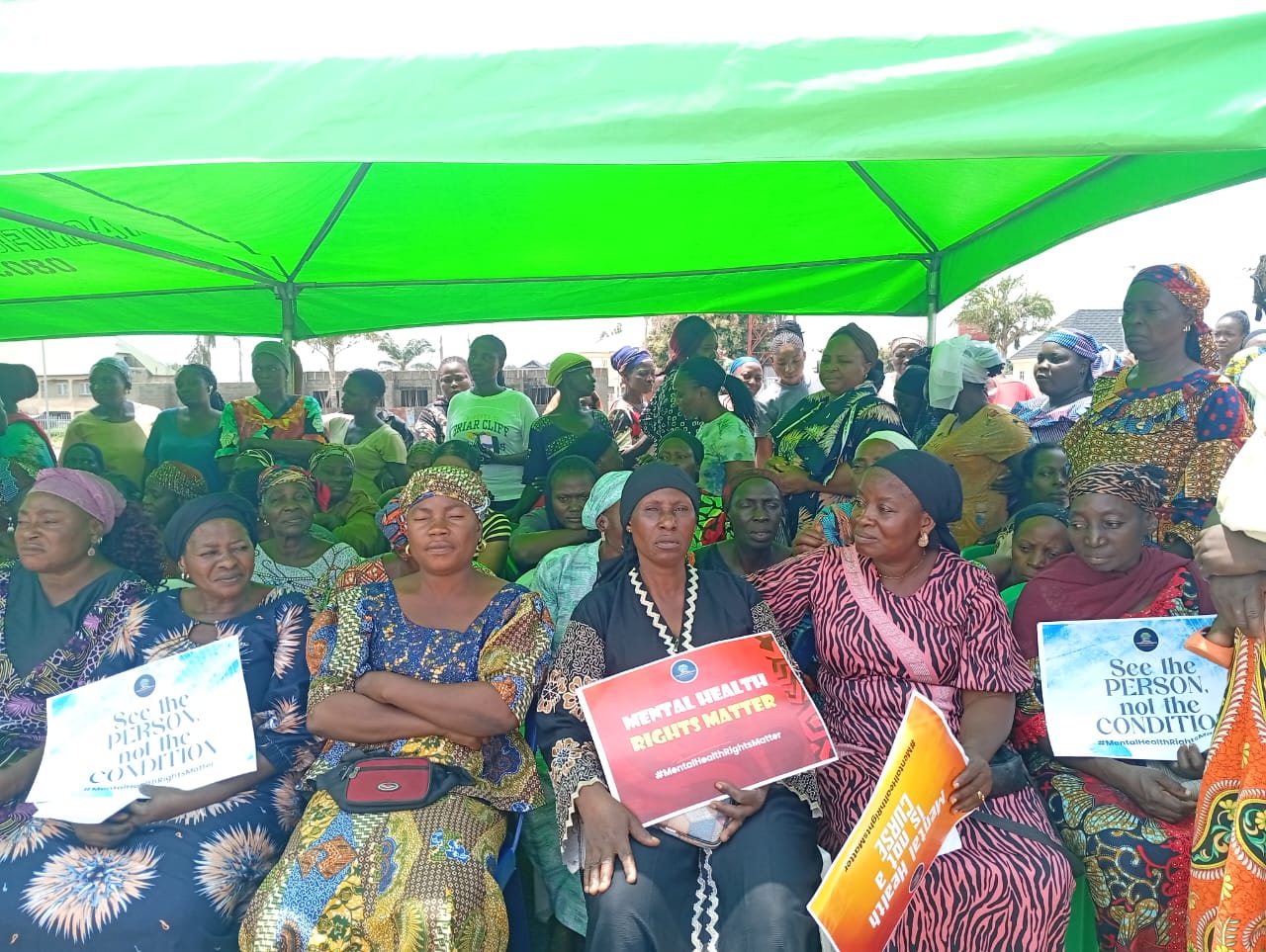
Inside the palace of His Royal Highness, Dr. Luka Panya Baba, in Ado New Karu, a different kind of court sat in session recently. There was no gavel, no accused. Instead, traditional rulers, healthcare workers, security operatives, religious leaders and more than 65 women gathered on chairs arranged in a wide circle, listening as persons with psychosocial disabilities described a burden many Nigerians rarely discuss in public: the weight of being feared, rather than helped, by their own communities.
The 14 August dialogue, held under the Mind, Rights and Dignity (MiRiD) Project, was not designed as a one-off event but as a deliberate push to translate a five-year-old federal law into everyday community practice.
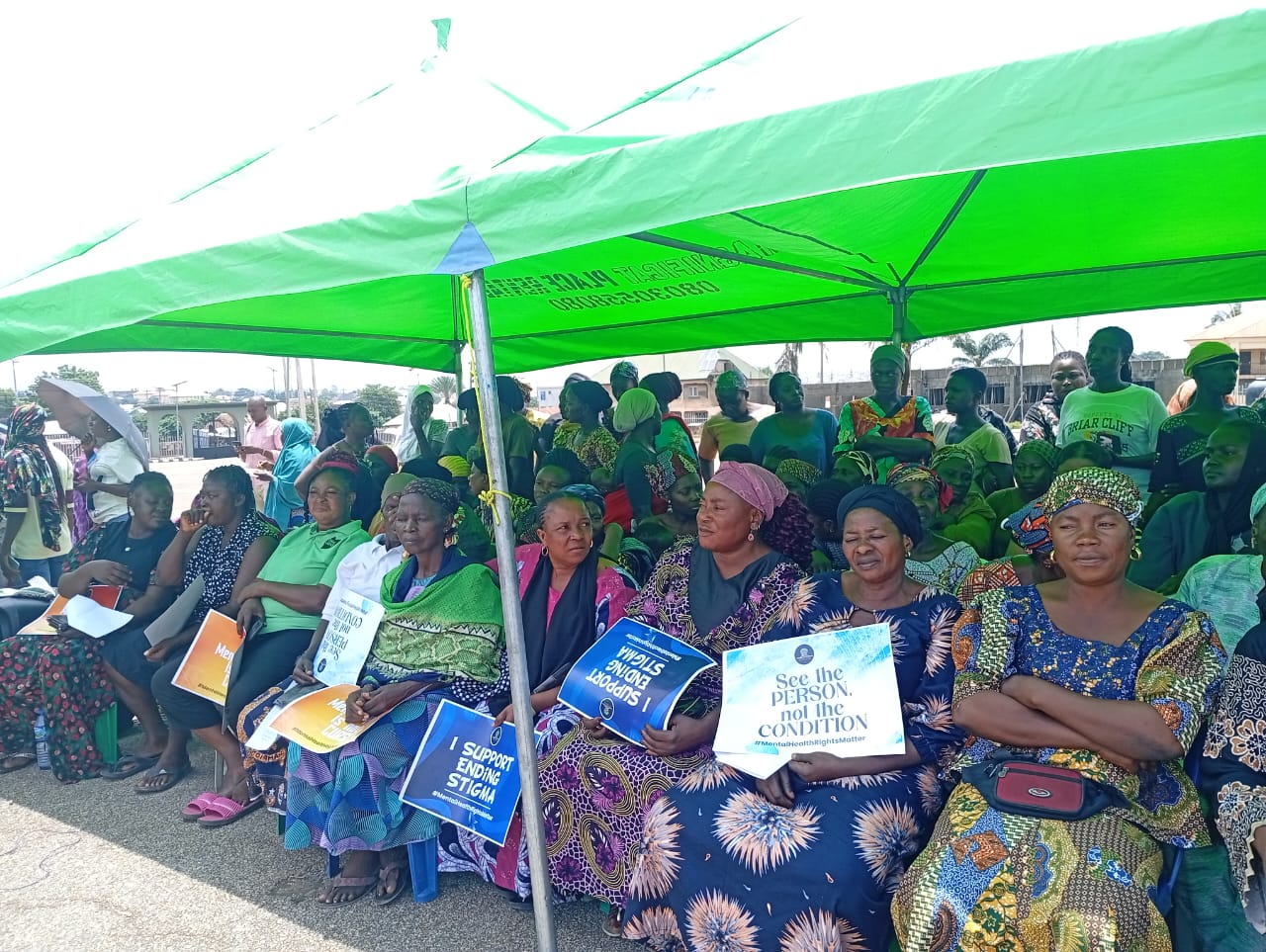
Nigeria’s Mental Health Act, though it establishes a rights-based framework for protecting the dignity, autonomy and inclusion of persons with psychosocial disabilities, remains inconsistently enforced across the country — a gap that campaigners say leaves thousands of Nigerians without recourse when their rights are violated.
The dialogue was implemented by the Yamban-Kabati African Foundation (YKAF), a community-based psychosocial support cluster operating under the wider Rights in Action (RiA) Project.
That project is funded by Finland’s Ministry for Foreign Affairs, technically supported by CBM Global Disability Inclusion, and delivered in partnership with the Joint National Association of Persons with Disabilities (JONAPWD) and the Inclusive Friends Association (IFA) — a coalition that has, in recent months, been rolling out similar advocacy and mentorship initiatives across the Federal Capital Territory aimed at drawing underrepresented disability groups, including persons with intellectual and psychosocial disabilities, into policymaking and public life.
The scale of the problem the coalition is confronting is difficult to pin down with precision. The World Health Organization estimates that one in every eight people globally lives with a mental health condition, and Nigeria’s Federal Ministry of Health has previously put the proportion of the national population affected by mental illness at roughly 1.3 percent — though researchers and disability advocates alike note that no recent, nationally representative dataset captures the true number of Nigerians living with psychosocial disabilities.
That absence of hard data, organisers argued at the Karu dialogue, is itself part of the problem, weakening the evidence base for policy and service planning.
Findings from a Political Economy and Gender Assessment (PEGA) conducted under the Rights in Action Project paint a sobering picture of what that gap in accountability means in practice: persons with psychosocial disabilities continue to face discrimination, exclusion from decision-making, limited access to affordable mental healthcare, violence and abuse, compounded by weak institutional accountability.
Women and girls, the assessment found, carry an additional burden, their vulnerability sharpened by the intersection of gender inequality and disability-based discrimination.
Yet for organisers, the day’s significance lay less in the statistics than in who was in the room. Persons with psychosocial disabilities were not merely subjects of discussion but active participants — sharing lived experience, naming harmful practices, and helping to define what community responsibility should look like going forward. It was a deliberate application of the disability rights principle “Nothing About Us Without Us,” a standard increasingly invoked across Nigeria’s disability advocacy space, including in recent JONAPWD-led exchanges pressing government to integrate persons with intellectual, psychosocial and other underrepresented disabilities into governance and electoral processes.
Ms. Kabati Ishaya, Executive Director of YKAF, framed the day’s work as a matter of human rights rather than clinical care alone. “Mental health is not simply a health issue; it is a human rights issue,” she told the gathering. “Every person deserves to be treated with dignity, respected for who they are, and supported to participate fully in community life. Today’s dialogue demonstrates that lasting change begins when communities choose understanding over fear, inclusion over discrimination, and action over silence.”
Participants left with more than reflection. They received information on available mental health services, applicable legal protections and referral pathways — practical tools intended to convert sympathy into action the next time a family in Ado New Karu encounters a relative or neighbour struggling with a psychosocial condition.
The community also made public commitments to promoting inclusion and supporting enforcement of the Mental Health Act, commitments that royal father Dr. Baba, as convener, is expected to help anchor within the traditional institution’s authority.
Whether such grassroots commitments translate into measurable shifts in how Nasarawa’s institutions — police posts, primary health centres, schools and local government offices — treat persons with psychosocial disabilities will likely determine whether Karu’s palace dialogue becomes a template or remains an isolated gesture.
For now, the organisers say the twelve-month project will continue moving from community to community across the FCT corridor, testing whether dialogue, sustained long enough, can outpace stigma that has endured for generations.